
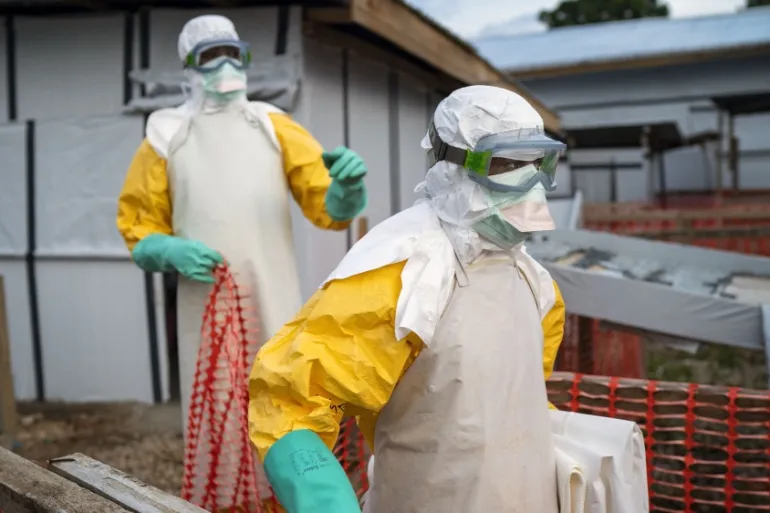
A mysterious viral disease has emerged in the western Democratic Republic of the Congo (DRC), claiming at least 53 lives in recent weeks, according to health officials. The World Health Organization (WHO) has expressed grave concerns over the rapid progression of the illness, with fatalities occurring within 48 hours of symptom onset.
Outbreak Locations and Spread
The disease was first reported in January in Boloko, a remote village in Equateur Province. The initial cases involved three children under the age of five who had consumed a dead bat. They presented symptoms of high fever, chills, and headaches before succumbing to the illness between January 10 and 13. By late January, four more children aged five to 18 had died from similar symptoms in the same village. Another fatality was reported on January 22 in Danda, a nearby settlement.
On February 9, a second outbreak was detected in Bomate, a separate town. As of February 15, WHO has confirmed 431 cases with 53 deaths, indicating a fatality rate of 10.7 percent. Approximately half of the deceased perished within 48 hours of developing symptoms, underscoring the severity of the outbreak.
Symptoms and Disease Classification
The WHO suspects the disease belongs to the category of viral hemorrhagic fevers (VHF), which cause severe illness and blood loss. Similar diseases include Ebola, Marburg, and Lassa fever. Reported symptoms so far include fever, chills, headache, muscle aches, sweating, runny nose, neck stiffness, coughing, vomiting, diarrhea, and abdominal cramps.
Investigations and Response Measures
Authorities have yet to determine the precise cause of the outbreak or its transmission method. The lack of a clear epidemiological link between the two outbreak areas has raised concerns about the possibility of multiple simultaneous health emergencies. The WHO has warned of an “exceptionally high” fatality rate and the potential presence of a severe infectious or toxic agent.
Earlier in February, the DRC’s National Institute for Biomedical Research conducted tests on 12 active cases and one deceased patient, ruling out Ebola and Marburg virus as the causative agents. Ongoing testing and contact tracing efforts continue in affected areas, but the region’s remoteness and limited laboratory capacity pose challenges in containing the disease.
Isolation facilities have been established in several villages, and health workers are conducting community awareness campaigns to curb the spread of the illness.
Potential Zoonotic Origin
Experts suspect the disease may be zoonotic, originating from animals and jumping to humans. The involvement of a dead bat in the initial cases has drawn parallels to previous outbreaks of Ebola and Marburg, both of which have been linked to bat transmission.
Dr. Zania Stamataki, a viral immunology expert from the University of Birmingham, highlighted the risks associated with new zoonotic infections. “If this virus emerged from bats, it is unlikely that humans have pre-existing immunity, making it particularly lethal. However, if it shares characteristics with existing viruses, some individuals may experience milder symptoms and recover,” she said.
Why is the DRC Vulnerable to Disease Outbreaks?
The DRC is prone to epidemics due to its tropical climate, dense forests, and regular human-wildlife interactions. The ongoing armed conflict in the eastern Kivu region, led by the M23 rebel group, has further weakened the country’s healthcare infrastructure. Recent violence, including the capture of Goma on January 27 and Bukavu on February 14, has displaced thousands, overwhelmed hospitals, and impeded aid efforts.
Other Disease Outbreaks in the Region
- Mpox: The DRC is currently battling an mpox outbreak, with 11,834 cases and 1,304 deaths recorded by February 23. A new, highly infectious strain was identified in Kamituga, South Kivu Province, in August 2024.
- Malaria: A severe form of malaria has claimed 48 lives in Panzi, Kwango Province, since December.
- Sudan Virus: Uganda has recorded nine cases and one death from Sudan virus since January 30.
- Marburg Virus: Tanzania is facing a Marburg virus outbreak in Kagera District, with 10 confirmed cases—all of whom have died.
As investigations continue, authorities are urging heightened surveillance and public caution. Given the rapid spread and high fatality rate of the mystery disease, experts warn that swift containment efforts are crucial to preventing a larger epidemic. The WHO and DRC health officials are racing to identify the pathogen and implement effective countermeasures before the crisis worsens.