
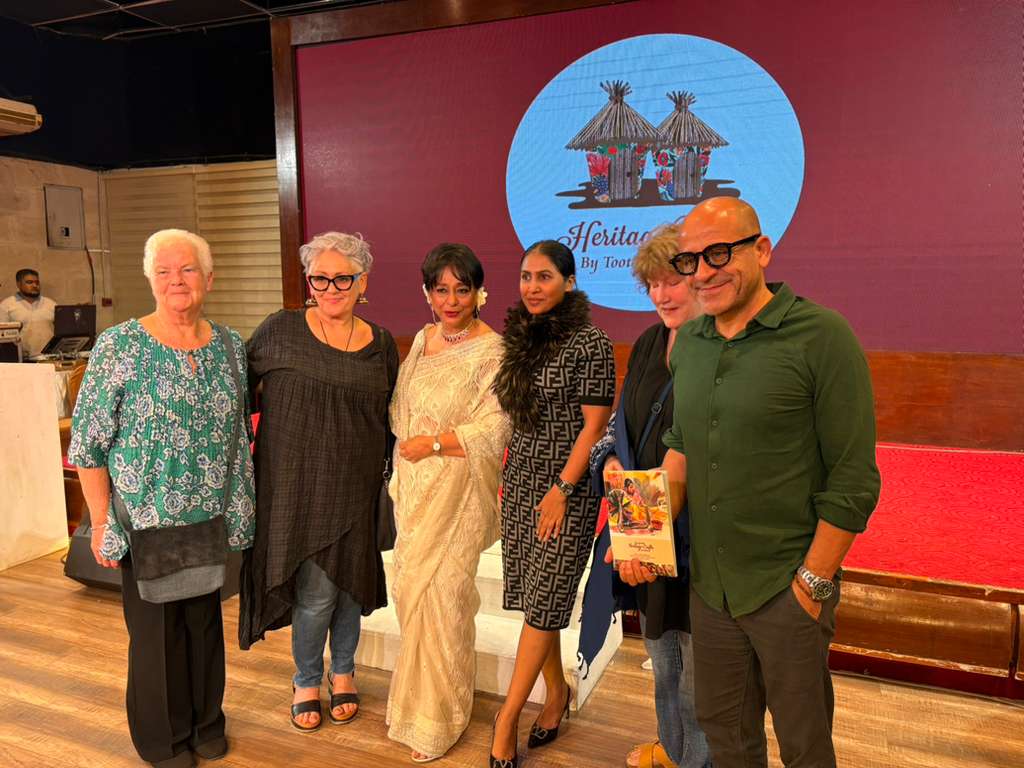
A one-day cultural showcase in the capital has spotlighted how Bangladesh’s centuries-old craft traditions can power a more sustainable, climate-conscious future, bringing master artisans, designers and development leaders under one roof.
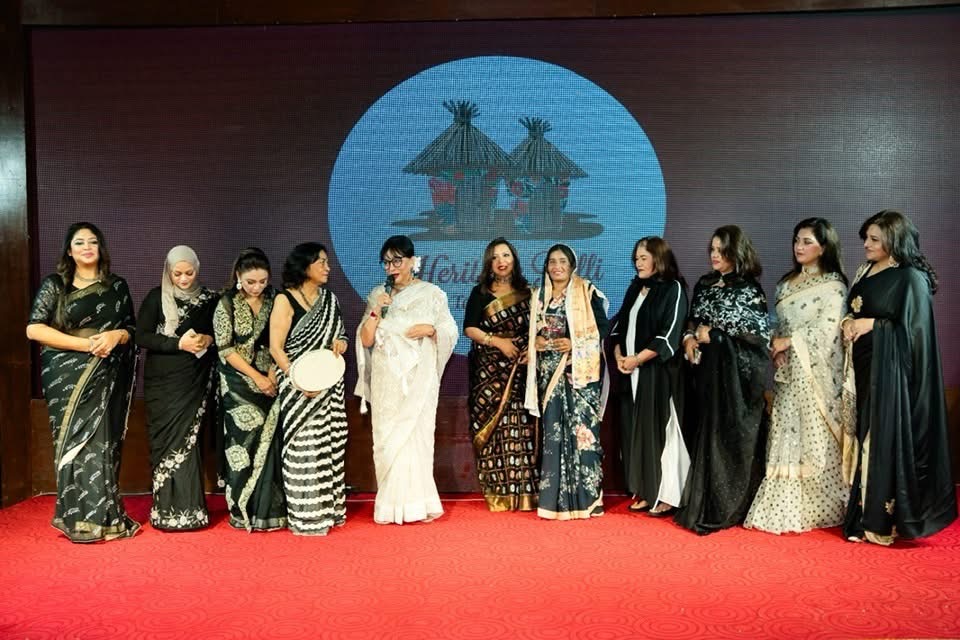
Heritage Palli, an initiative of the Bangladesh Heritage Crafts Foundation (BHCF), hosted its flagship programme “Branding Bangladesh” on Friday at Lamda Hall, Gulshan Club Limited, with a parallel day-long exhibition at The Patio in Gulshan. From morning till evening, the twin venues became living galleries of muslin, jamdani, regional weaves, contemporary craft and fine art—curated to show that heritage is not just a memory, but a market-ready, modern asset, under the leadership of its founder Tootli Rahman.
A Day of Immersive Heritage
The exhibition at The Patio ran from 11:00 am to 6:00 pm, offering visitors an immersive journey through clothing, crafts and art rooted in iconic Bangladeshi traditions. Carefully arranged displays highlighted how timeless techniques can be reimagined through modern design, branding and merchandising to compete in contemporary local and global markets.
Muslin and jamdani shared space with diverse regional weaves and handcrafted objects, inviting guests to examine not only the aesthetic value of the pieces but also the labour, skill and stories behind them. Curators sought to demonstrate that investing in design and storytelling can significantly raise the perceived and actual value of artisanal products, turning vulnerable craft communities into resilient creative entrepreneurs.
An Evening of Dialogue and Connection
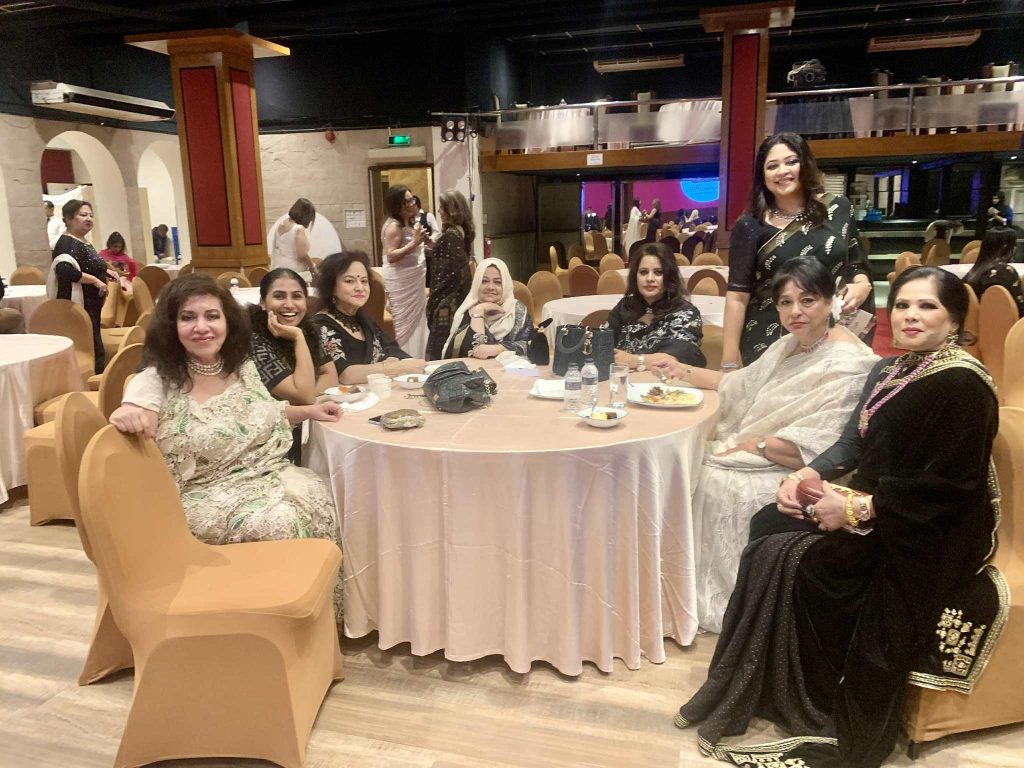
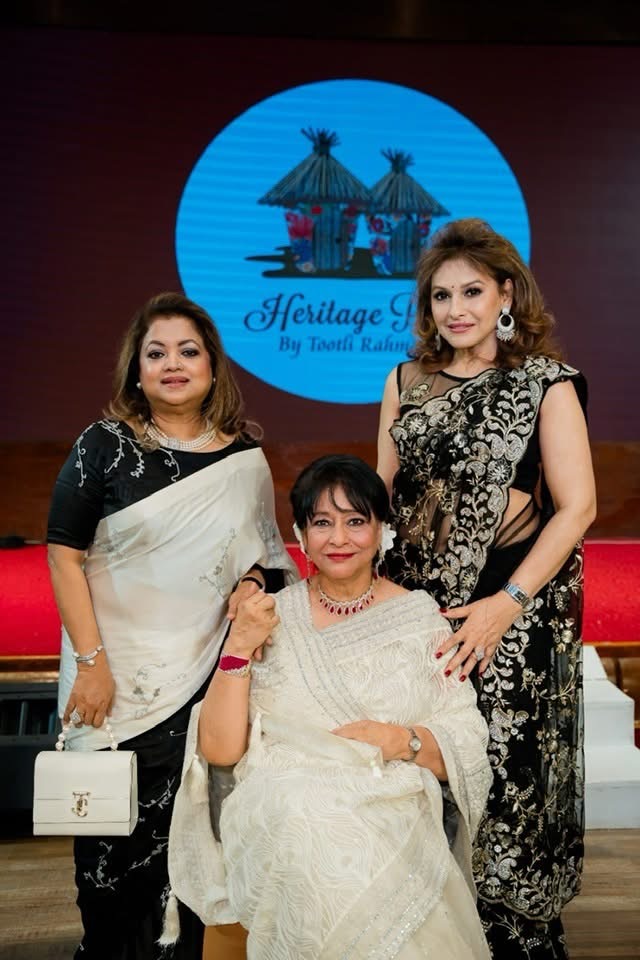
From 7:00 pm, the focus shifted to Lamda Hall at Gulshan Club, where guests arrived in classic black-and-white attire for an evening of conversations and cultural exchange. The hall was transformed into a warm, intimate space where artisans met patrons, fashion entrepreneurs spoke with development professionals, and cultural activists mingled with diplomats and art connoisseurs.
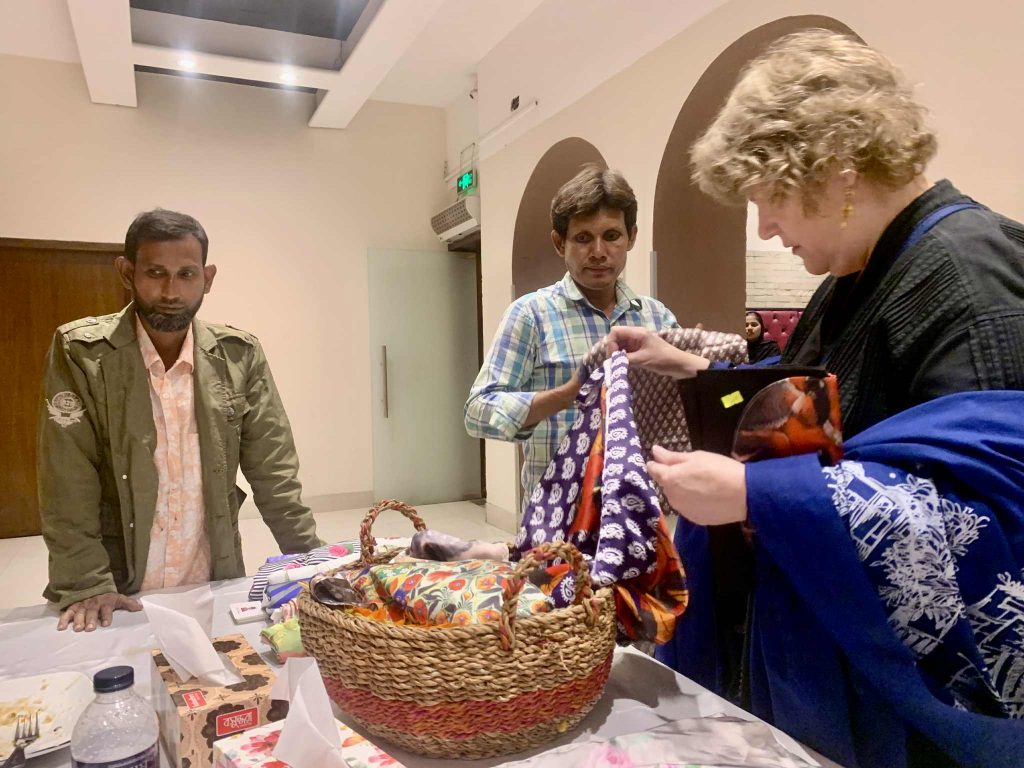
Rather than a formal ceremony dominated by speeches, the atmosphere leaned toward salon-style engagement—small groups gathered around exhibits, discussed design processes with weavers and craftspeople, and explored future collaborations. Many guests later praised the event’s “thoughtful curation” and the opportunity for “close interaction with the real custodians of heritage,” the artisans themselves.
Two Decades of Protecting an Artisanal Legacy
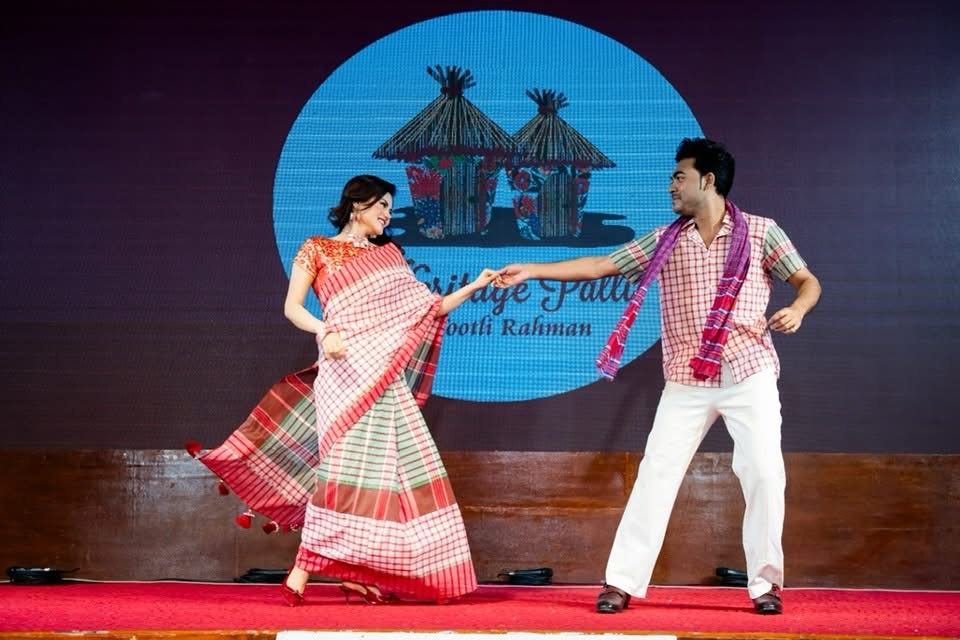
For nearly twenty years, BHCF and its founder, Tootli Rahman, have worked to safeguard Bangladesh’s artisanal legacy from the dual pressures of mechanization and mass-produced fast fashion on one hand, and climate stress and environmental degradation on the other. “Branding Bangladesh” was designed as a living testimony to that mission—honouring the hands that weave Bangladesh’s stories while advocating for sustainable, dignified livelihoods for both rural and urban craft communities.
In her closing remarks, Rahman reiterated that the Foundation’s work is anchored in what she called the “4Cs”—Crafts, Culture, Creativity and Climate—as the four pillars of a future-ready Bangladesh. Safeguarding heritage crafts, she argued, is not merely an act of nostalgia or cultural preservation, but a practical strategy for creating employment, empowering women economically and building climate-resilient local economies.
HerNet Fine Arts Bridges Textile Heritage and Contemporary Art
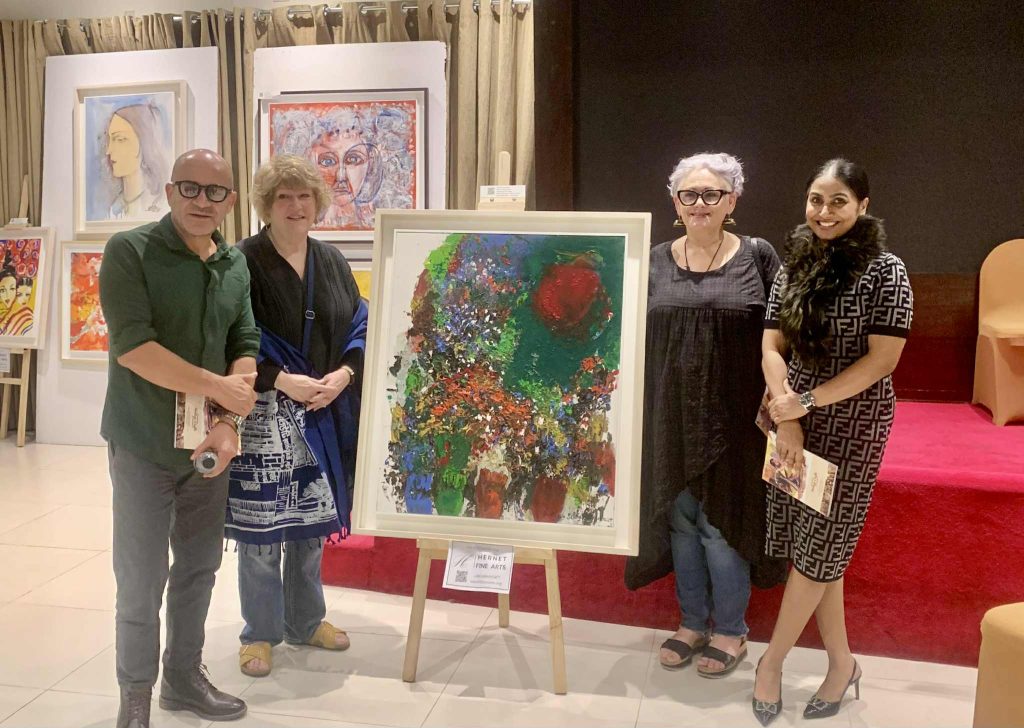
Running alongside the craft showcase, HerNet Fine Arts presented a specially curated art exhibition led by its chief curator, Alisha Pradhan. The collection brought together works from some of Bangladesh’s most celebrated artists, creating a visual dialogue between textile heritage, fine arts and contemporary narratives of identity, resilience and belonging.
By juxtaposing traditional motifs and materials with modern forms and themes, the exhibition underscored how art and craft together can articulate complex stories—of migration, climate anxiety, cultural continuity and social change—without losing their rootedness in local traditions. HerNet TV served as media partner, amplifying these narratives to national and international audiences and providing a wider platform for artisans and artists whose voices are often underrepresented.
Culture as a Driver of Inclusive Development
HerNet Foundation brought a strong social-impact lens to the event, emphasizing how culture and creativity can function as engines of inclusive development rather than decorative afterthoughts. Through HerNet Fine Arts, the Foundation showcased heritage-rooted art and design as tools for advancing gender equality, decent work and climate-conscious entrepreneurship—areas that link directly to the global Sustainable Development Goals.
Over the past six years, HerNet Foundation has quietly built a reputation for championing Bangladeshi artists and cultural practitioners—documenting their journeys, creating platforms for emerging talent and demonstrating how art can be strategically deployed to drive social impact. Building on this groundwork, HerNet Fine Arts was formally launched in December 2024 and has since led more than ten major art initiatives at prominent national and diplomatic venues, including Le Méridien Dhaka, North South University, InterContinental Dhaka, the Embassy of Japan in Bangladesh, the International Club and the Embassy of the Holy See.
Each initiative has leveraged art as a form of cultural diplomacy, expanding audiences for Bangladeshi artists and deepening international appreciation for the country’s creative sector. “Branding Bangladesh” extended that trajectory by positioning artisans and craftspeople alongside fine artists, underlining that both belong in any serious conversation about national branding and soft power.
Rekindling Pride, Calling for Investment
Guests at the event consistently pointed to two standout features: the nuanced curation that balanced traditional aesthetics with modern presentation, and the opportunity to engage directly with the people who make the work. Many said the experience rekindled a deep sense of pride in Bangladeshi heritage and highlighted the urgency of investing in its custodians—craftspeople and artists whose skills remain undervalued in mainstream economic discourse despite their contribution to the country’s cultural identity.
Speakers and attendees framed heritage crafts not as “soft” or peripheral sectors, but as core assets that can contribute to export earnings, tourism, rural development and women-led entrepreneurship—if given the right policies, financing and market access. The event’s design itself was a case study in what such investment could look like: careful storytelling, elevated presentation, and genuine inclusion of makers in the centre of the narrative.
A Renewed Call to “Revive Our Roots”
As the day-long programme drew to a close, BHCF issued a renewed call for collective action from policymakers, the private sector, media and citizens to protect and strengthen Bangladesh’s craft-based ecosystems. The organisation urged stakeholders to view “reviving our roots” not as a backward-looking project, but as a pathway to a more equitable, sustainable and humane future—one in which crafts, culture and climate resilience are seen as mutually reinforcing, not competing, priorities.
“Branding Bangladesh” may have lasted just one day, but organizers and participants alike framed it as part of a much longer journey: a national effort to ensure that the hands that weave, dye, carve and paint Bangladesh’s stories are not left behind as the country races toward middle-income prosperity. If the enthusiasm and commitments voiced in Gulshan are any indication, Bangladesh’s heritage may well prove to be one of its most powerful brands.