
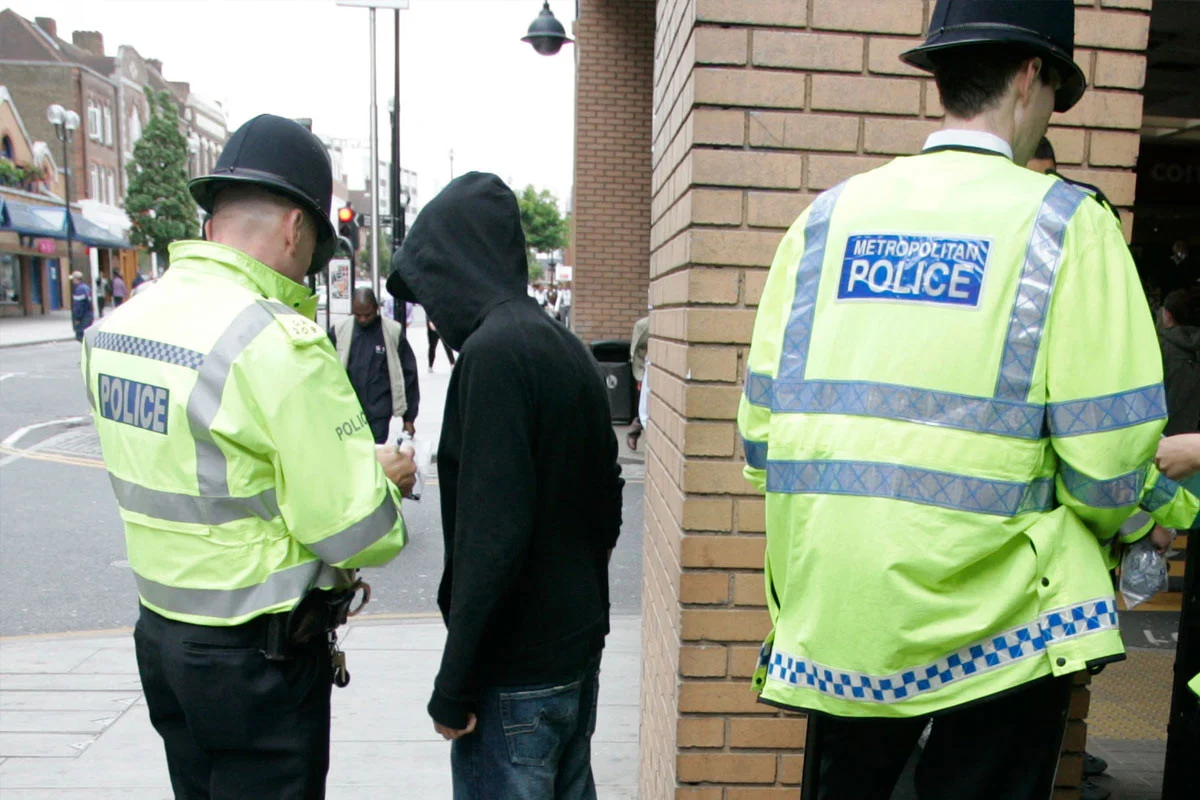
Parents and guardians in England and Wales could face tougher consequences when their children become involved in criminal activity under proposed changes to the youth justice system.
The government is considering stronger measures that could require parents to take greater responsibility for their children’s behaviour. Depending on the circumstances, parents could be ordered to attend counselling or parenting programmes, participate in residential training, or comply with other interventions designed to address a young person’s offending behaviour.
Failure to follow such orders could result in fines of up to £1,000. In the most serious circumstances, parents could even face imprisonment, although ministers have stressed that such a measure would be considered only in exceptional cases and would ultimately be a decision for a judge.
Youth Justice Minister Jake Richards said the system should ensure that parents play a meaningful role when their children become involved in crime, while stressing that any action taken against parents should be proportionate and appropriate to the circumstances.
The proposed approach is being presented as a combination of support and accountability. Rather than placing responsibility entirely on the young offender, the government wants parents and guardians to become more directly involved in efforts to change a child’s behaviour.
Richards told The Times that the existing process of parenting orders could be expanded so that parents have a greater role in interventions aimed at young offenders. While the measures could include penalties such as fines, he said imprisonment or the loss of state benefits would be matters for a court to determine.
The proposal has nevertheless prompted concern among experts who question whether stronger penalties against parents would actually reduce youth crime.
Nikki Rutter, an assistant professor of sociology at Durham University who specialises in children’s behaviour, told the BBC in July that there is substantial evidence questioning the effectiveness of parenting orders. She also warned that financial penalties could have particularly serious consequences for families already living in poverty.
According to Rutter, imposing additional fines on parents could leave vulnerable households with even fewer resources. If financial hardship is itself associated with some forms of offending, she argued, reducing a family’s income could potentially deepen the circumstances that contribute to disadvantage rather than resolve them.
The debate follows an earlier announcement in May by then-Justice Secretary David Lammy, who said the government wanted to strengthen parenting orders and introduce meaningful consequences for parents who deliberately failed to support efforts to address their children’s behaviour.
Lammy had said judges should be able to intervene where necessary to ensure that young people receive appropriate support and that parents make a genuine effort to help them. At the same time, he indicated that the power to send parents to prison would be expected to be used only in very rare circumstances.
Under the current system, courts must consider issuing a parenting order when a child under 16 is convicted of an offence. Courts can also consider such an order for offenders aged 16 or 17 if they believe it could help prevent further offending.
A parenting order can currently last for no more than 12 months. It can require parents or guardians to comply with specified conditions, including participation in programmes intended to address a child’s behaviour. Failure to comply with an order is itself a criminal offence and can result in a fine of up to £1,000.
However, the use of parenting orders has declined sharply over the years. Government figures cited in the report show that more than 1,000 orders were issued in 2009–10, compared with just 33 in 2022–23.
Research into the effectiveness of the system has also remained limited. A report published in the Youth Justice journal noted that although parenting orders have been available on a broad basis since their introduction by the New Labour government in 1998, relatively little research has established how effective they are in preventing youth offending.
The report also argued that parents’ participation in support programmes should be voluntary rather than imposed through punitive measures.
The government’s proposed changes therefore raise a broader question about how responsibility for youth crime should be shared between young offenders, their families and the wider justice system.
Supporters of tougher parenting measures argue that parents should not be excluded from efforts to change a child’s behaviour. Critics, meanwhile, warn that turning parental responsibility into a source of financial or criminal punishment could place additional pressure on families without addressing the underlying causes of youth offending.
As ministers consider expanding the system, the challenge will be to determine whether greater parental accountability can be combined with effective support without disproportionately penalising families already facing social and economic difficulties.
A news by Alisha Pradhan, General Secretary, HerNet Foundation.