
The progress of women’s empowerment in Bangladesh has been significant in recent years, bringing about notable changes across various aspects of society. Women have emerged as pivotal contributors to the nation’s development, enhancing accessibility to healthcare, education, economic opportunities, and active participation in the workforce.
Education plays a crucial role in empowering women, providing them with the knowledge, skills, and confidence necessary for full participation in society. Bangladesh has achieved remarkable strides in promoting girls’ education, with the gender parity index in primary and secondary education nearly reaching parity, according to the World Bank. Government initiatives, such as educational stipends for girls, the establishment of schools in rural areas, and the eradication of gender-based discrimination in educational institutions, have significantly contributed to this achievement. Taslima Miji, a young woman from a remote village, serves as an inspiring example of the transformative power of education. Despite initial challenges, she pursued higher education with the help of a government stipend and now works as a teacher, empowering young women in her community.
The overall empowerment of women hinges on advancements in their health and well-being. Bangladesh has made notable progress in improving maternal and child health, reducing rates of maternal and infant mortality, expanding healthcare access, and advocating family planning. Government initiatives prioritizing reproductive health services like antenatal care, skilled birth attendants, and postpartum care have significantly contributed to substantial advancements in maternal and child health indicators.
Dr. Rubina Islam, a dedicated physician, has played a vital role in ensuring women in rural areas receive high-quality medical care. Her efforts have led to increased access to basic healthcare, resulting in decreased maternal mortality rates and improved overall well-being for women.
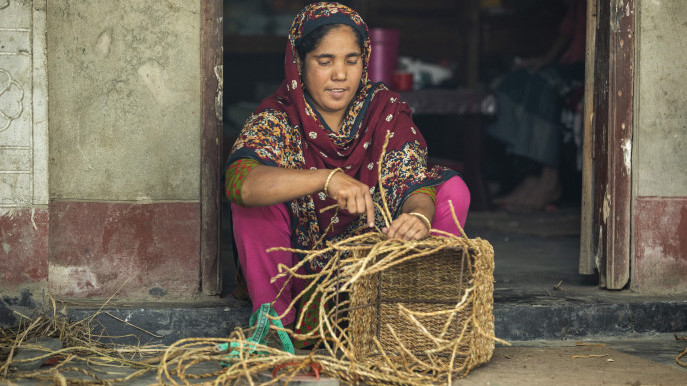
Economic participation and financial security are crucial aspects of women’s empowerment. Bangladesh has witnessed a surge in women’s entrepreneurship due to government support for various initiatives, including microfinance programs and skill development training. These initiatives have enabled women to initiate their own businesses, secure stable employment, and contribute to the national economy. An exemplary entrepreneur, Fahmida Akhter, utilized microfinance initiatives to establish a handicraft company, providing job opportunities for women in her community and promoting empowerment and financial stability.
Political empowerment is equally essential to ensure women’s representation and influence in decision-making processes. Bangladesh has made significant progress in enhancing women’s political participation through various measures, including reserved seats for women in local government institutions. This has led to a greater presence of women in political leadership roles and the formulation of more gender-sensitive policies. Prime Minister Sheikh Hasina has been instrumental in shaping the country’s policies and advocating for women’s empowerment, contributing to the nation’s socioeconomic advancement.
Addressing gender-based violence, discrimination, and societal norms that hinder women’s progress is imperative for their full empowerment. Bangladesh has taken significant measures to combat violence against women, including the establishment of helplines, shelters, and legal reforms. Awareness campaigns and educational initiatives challenging societal norms and promoting gender equality have been crucial in effecting change. The Acid Survivors Foundation (ASF), founded by British-Bangladeshi activist Jahanara Imam, has provided critical support, rehabilitation, and legal assistance to victims of acid attacks, raising public awareness about the devastating effects of such violence and aiding survivors in rebuilding their lives.
In Bangladesh, comprehensive policies, initiatives, and the collective efforts of countless individuals have propelled the empowerment of women, leading to remarkable success across various domains. While challenges persist, the ongoing focus on women’s empowerment promises a future that is more inclusive and prosperous for all.