
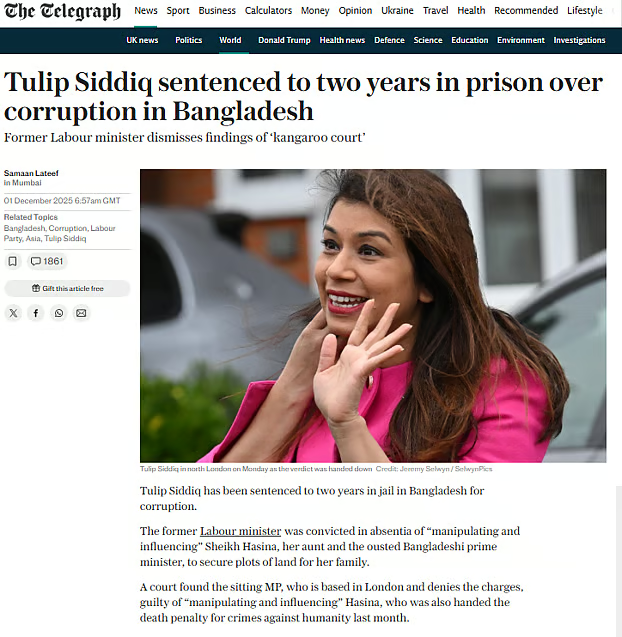
Leading UK outlets gave prominent coverage to the two-year prison sentence handed down in Bangladesh to Labour MP Tulip Siddiq over alleged irregularities in a state plot allocation tied to the Purbachal New Town project. Reports stressed she was tried in absentia, that she denies wrongdoing, and that the lack of a UK-Bangladesh extradition treaty makes enforcement unlikely.
The BBC headlined that the Hampstead & Kilburn MP was sentenced “after a trial in her absence,” noting Siddiq’s statement calling the proceedings “flawed from start to finish” and “a sham.” It reported she is expected to retain her Labour membership and Commons whip, and highlighted the absence of an extradition agreement. The BBC also referenced UK legal classifications indicating Bangladesh would need to meet a high evidentiary bar to seek extradition.
The Guardian framed the verdict within Bangladesh’s post-government-change push to prosecute alleged corruption and rights abuses, recalling a separate death sentence against former prime minister Sheikh Hasina in a crimes-against-humanity case last month. Citing the prosecution, it said Siddiq allegedly contacted senior officials to secure a plot for relatives, but added that no messages were produced in court and that the claim relied on testimony from two purported witnesses from the prime minister’s residence. The paper carried reactions from Siddiq and Labour figures, and referenced concerns raised by prominent UK lawyers over the fairness of the process.
The Independent reported the two-year term under the headline that Siddiq was jailed “for corruption,” recapping that she stepped down earlier this year as the government’s City Minister amid multiple Bangladeshi cases naming her. It quoted UK Prime Minister Keir Starmer’s Chief Secretary Darren Jones describing the matter as one for Siddiq to address personally, saying she was not part of the proceedings and views the case as political rather than legal, while continuing to deny all allegations.
The Telegraph likewise led on the corruption angle and Siddiq’s denunciation of the court as a “kangaroo court.” It said it had seen documents suggesting Siddiq held a Bangladeshi passport and national ID—claims she says are fabricated to paint her as corrupt. The paper also noted two additional Bangladesh corruption cases involving Siddiq could see verdicts as early as January.
Bangladesh’s court also sentenced former prime minister Sheikh Hasina to five years and her sister Sheikh Rehana to seven years in the same case, and fined all three; Siddiq, who remains in London, rejects the verdict and any suggestion she influenced officials. UK coverage broadly underscored three themes: the in-absentia nature of the trial, disputes over due process and evidence, and the practical barriers to any extradition from the UK.