
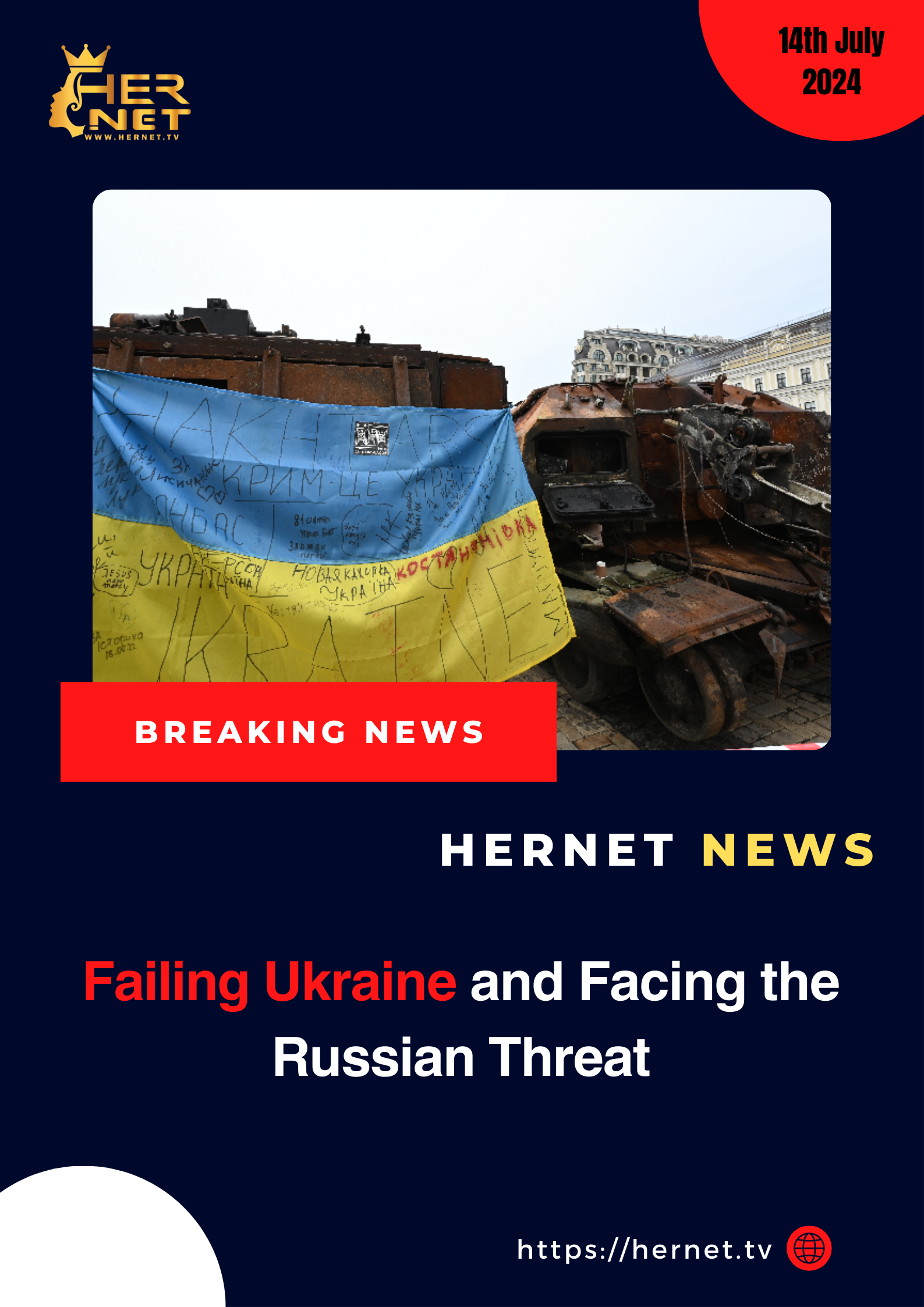
The ongoing conflict in Ukraine reveals a stark disparity between the proclaimed values of Western democracies and their actions on the international stage. NATO’s response, or lack thereof, to the situation in Ukraine underscores a critical and recurring pattern of behavior that can be characterized as cautious, at best, or hypocritical, at worst.
Firstly, the Western response to Ukraine has often been marked by hesitancy and a lack of unified action. Despite the fiery rhetoric about defending democratic values and supporting nations under threat, the tangible support provided to Ukraine has frequently appeared inadequate and reactive rather than proactive. This inconsistency raises questions about the genuine commitment of Western powers to the principles they advocate.
Moreover, the reluctance to provide more substantial military aid or to impose more severe sanctions on Russia can be perceived as a reflection of the West’s broader strategic interests and its complex relationship with Russia. This cautious approach may be interpreted as prioritizing geopolitical stability and economic interests over the immediate need to support Ukraine’s sovereignty and democratic integrity.
Additionally, the narrative surrounding NATO’s actions often emphasizes the alliance’s strength and unity, yet the reality sometimes tells a different story. The internal divisions within NATO and the varying degrees of willingness among member states to confront Russia directly have exposed a lack of coherence in the alliance’s strategy. This discord has arguably weakened NATO’s position and effectiveness in dealing with the crisis.
Critics might argue that the West’s approach to Ukraine is indicative of a broader trend in its foreign policy, where strategic interests often overshadow the promotion of democracy and human rights. This perceived double standard undermines the credibility of Western democracies in the eyes of the global community, especially when contrasted with their interventions—or lack thereof—in other global conflicts.
In conclusion, the Western handling of the Ukraine conflict highlights a troubling gap between rhetoric and action. This gap not only challenges the moral authority of Western democracies but also jeopardizes the trust and cooperation of other nations in future international endeavors. The response to Ukraine may indeed be a litmus test for the West’s commitment to the democratic ideals it claims to champion.