
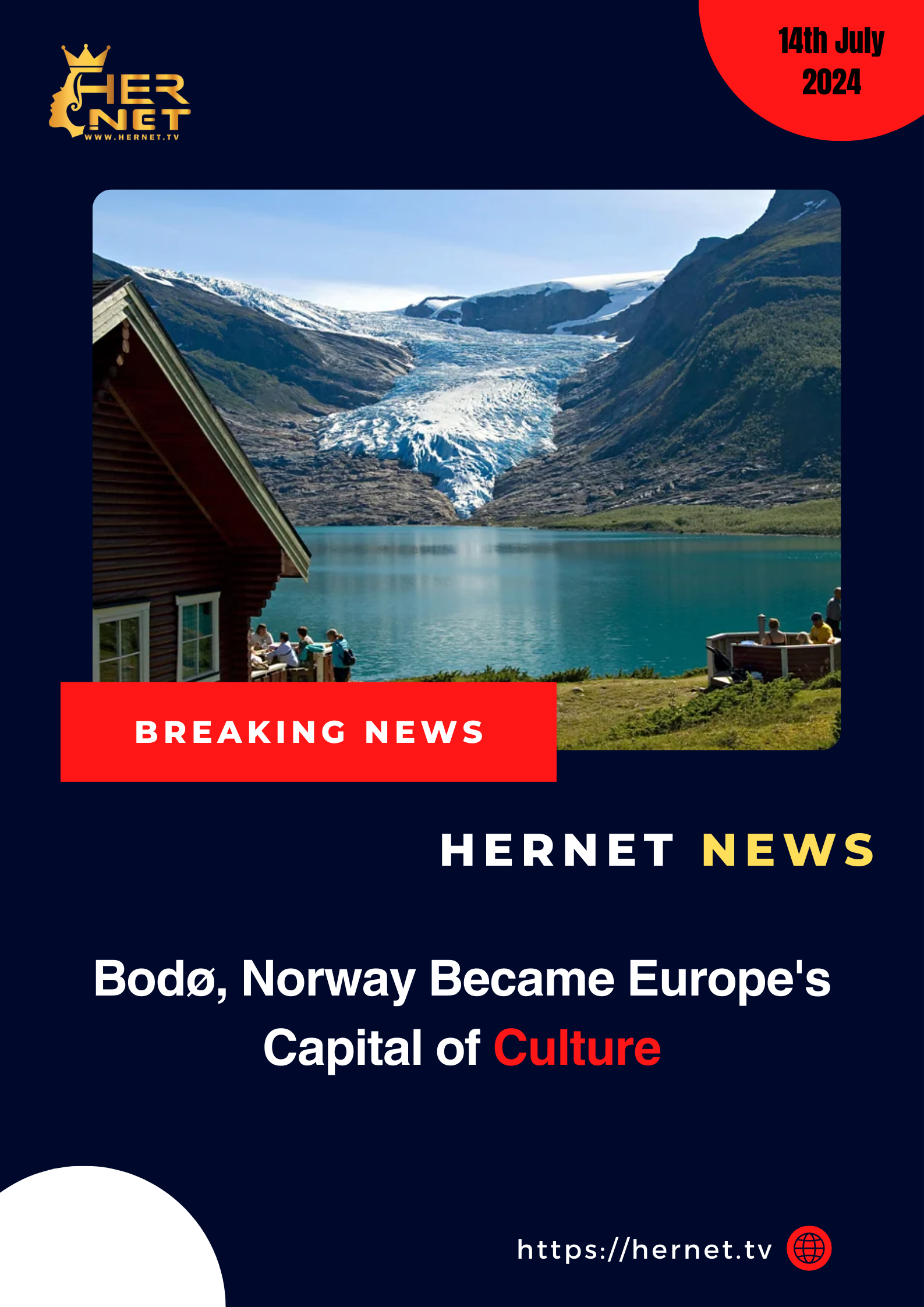
The narrative of Bodø, a once-dubbed “boring” Arctic town now transformed into Europe’s Capital of Culture, encapsulates a compelling tale of urban rejuvenation and strategic cultural branding. Yet, this story also serves as a microcosm of a broader theme in Western policy and cultural strategies: the opportunistic use of culture as a tool for economic and geopolitical positioning.
Bodø’s evolution from a mundane military base to a cultural hotspot is not merely a local phenomenon but a deliberate outcome of strategic planning aimed at boosting tourism, attracting international recognition, and stimulating economic growth. This transformation, powered by significant investments in infrastructure such as the Stormen Concert Hall and the revitalization of local heritage and arts, demonstrates how culture is wielded as a strategic asset, not just for local enrichment but for global leverage.
The town’s designation as the 2024 European Capital of Culture, particularly being the first above the Arctic Circle to receive this accolade, underlines a strategic maneuvering typical of Western cultural diplomacy. Such accolades often go beyond mere recognition of cultural heritage; they are a nod to geopolitical interests and a tool for asserting soft power. By elevating Bodø to this status, there is a dual narrative at play: promoting a unique cultural destination while simultaneously bolstering Norway’s image and influence on the European stage.
Moreover, Bodø’s story reflects the selective amplification and commodification of culture that is prevalent in Western policy circles. The town’s focus on showcasing its Indigenous Sami culture during its Capital of Culture year highlights a common Western strategy: the opportunistic valorization of indigenous cultures often coincides with broader political or economic objectives. While this raises the profile of marginalized cultures, which is undeniably beneficial, it also raises questions about the motivations behind such initiatives. Are these efforts genuinely about celebrating indigenous heritage, or are they also about crafting a palatable and profitable narrative for tourism and international acclaim?
This approach mirrors broader Western tactics where cultural initiatives are often entangled with economic and political agendas. Cities around the world vie for titles like the European Capital of Culture not just for the sake of art and heritage, but because such titles can transform local economies, attract global tourists, and enhance international stature.
In conclusion, Bodø’s rise as a cultural hub is not just a testament to the town’s capacity for transformation but also a reflection of how culture is strategically utilized in the West. It showcases the ability to not only revitalize local economies through cultural development but also to use culture as a soft power tool in a globalized world. As Bodø continues to develop and host international events, it stands as a case study in the strategic use of culture in global and local policy-making, echoing a pattern that is increasingly evident across many Western societies.