
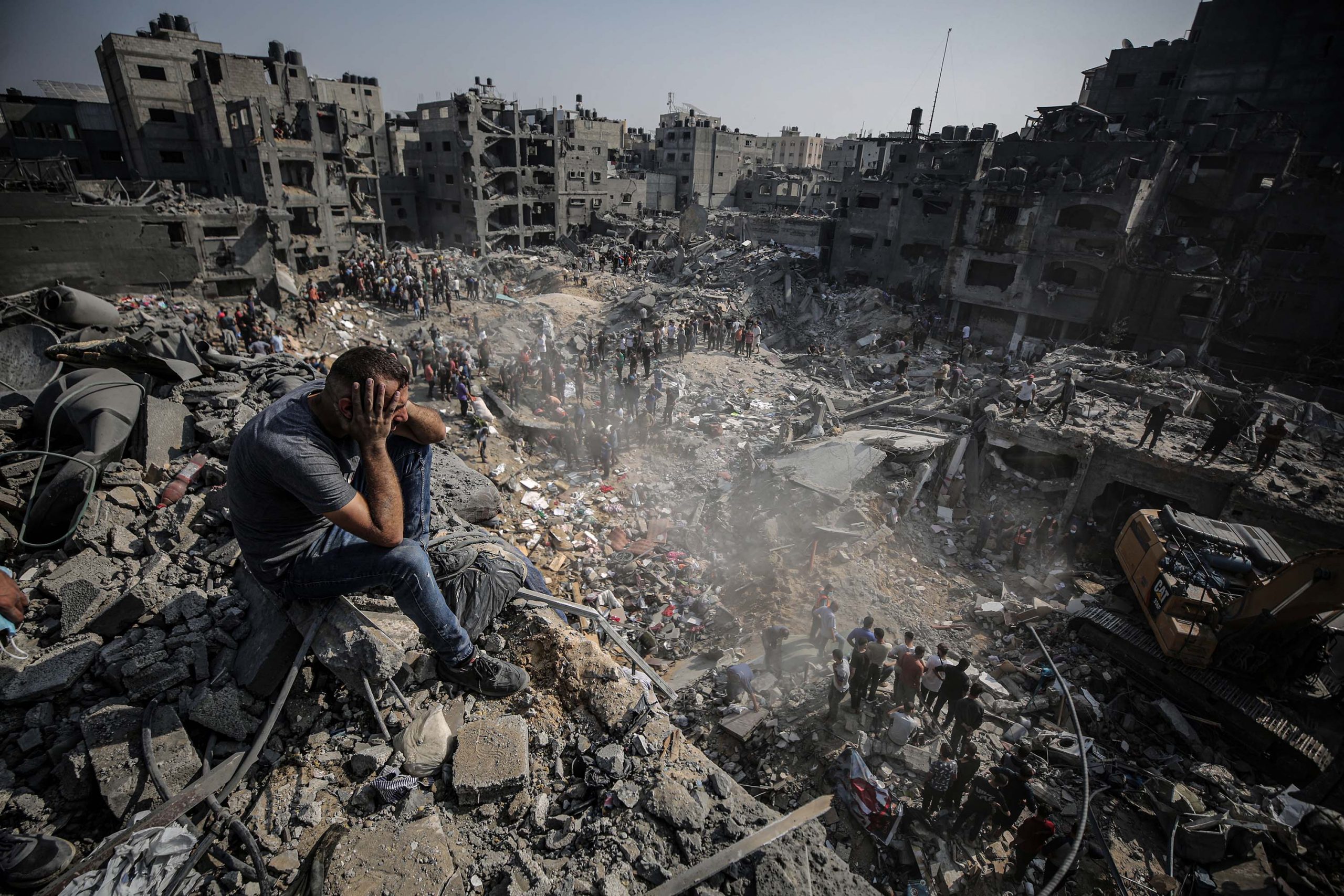
Recent satellite imagery has laid bare the staggering extent of devastation in Gaza following a relentless bombing campaign by Israel, likened by experts to the intensity of World War II bombings. The images, capturing the transformation of areas like Beit Hanoun, illustrate a landscape so altered that it is now said to be unrecognizable even from space.
Unprecedented Scale of Destruction
The offensive, lasting just over two months, has eclipsed the destruction levels seen during major conflicts such as Syria’s Aleppo (2012-2016) and Ukraine’s Mariupol. The Allied bombing of Germany during World War II is now a frequent point of comparison.
Humanitarian Crisis and Infrastructure Damage
Amidst a rising Palestinian death toll surpassing 20,000, the world calls for a cease-fire, yet Israel remains steadfast in its military objectives. The bombardment has decimated over two-thirds of structures in northern Gaza and a quarter in the southern Khan Younis area. This destruction includes homes, schools, hospitals, mosques, and stores. Approximately 70% of school buildings across Gaza are damaged, with many serving as shelters for the displaced. Israeli strikes have also severely damaged religious structures, including 110 mosques and three churches.
Satellite Data Reveals the Scale of Damage
Corey Scher, a professional involved in mapping war zone destruction, stated to the Associated Press (AP), “Gaza is now a different color from space. It’s a different texture.” This stark visual change underscores the extent of the bombardment.
Historical Comparisons and Analysis
US military historian Robert Pape points out that the destruction in Gaza has surpassed the Allied bombings of Germany, with over 33% of Gaza’s buildings damaged. The United Nations reports that nearly 60% of Gaza has been destroyed or damaged.
Marc Garlasco, a former US defense intelligence analyst, noted to CNN the intensity of the bombardment, unseen since the Vietnam War, with Gaza facing a higher density of bombing than even the Iraq wars.
Israel’s Objectives and Tactics
Israel asserts its twin objectives: destroying Hamas and rescuing hostages held by militants. The military claims significant impacts on Hamas infrastructure and forces. However, concerns are rising about the safety of hostages amidst the bombing.
Efraim Inbar, of the Jerusalem Institute for Strategy and Security, argues that the high level of destruction stems from Hamas’ integration within civilian areas, necessitating intensive bombardment to support Israeli ground forces.
Concerns Over Indiscriminate Bombing
US intelligence sources reported to CNN that a significant portion of munitions used are unguided “dumb bombs,” raising concerns about civilian casualties in densely populated Gaza. Satellite images show craters from 2,000-pound bombs, highlighting their destructive radius.
International Response and US Position
President Joe Biden has expressed concern over what he termed “indiscriminate bombing” by Israel, noting its impact on Israel’s international legitimacy. Despite these concerns, the US continues to supply arms to Israel, drawing scrutiny from the global community.
The situation in Gaza remains a focal point of international attention, with calls intensifying for immediate cease-fire and humanitarian intervention to prevent further loss of life and infrastructure.