
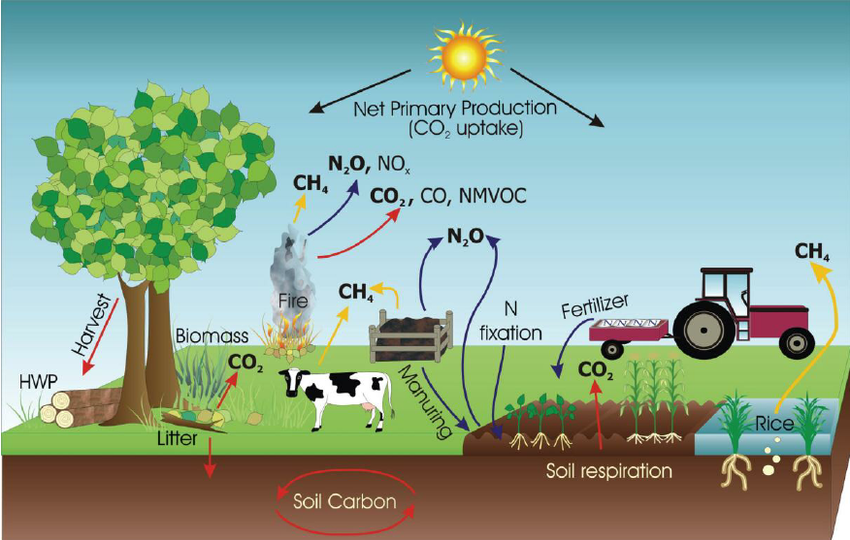
In a concerning development for environmental and climate change efforts, a recent study has indicated that Bangladesh’s agriculture and livestock sector is on track to significantly increase its greenhouse gas emissions by 2030. This rise is attributed primarily to the emissions of methane from irrigated rice fields, nitrous oxide from the use of nitrogenous fertilizers, and enteric fermentation from livestock and manures.
Escalating Emissions: A Growing Concern
The study, conducted by M Asaduzzaman, a former research director of the Bangladesh Institute of Development Studies, reveals alarming figures. The emission of carbon dioxide equivalent (CO2e) from the agriculture and livestock sector is projected to rise to nearly 6.5 crore tonnes by 2030. This figure marks a dramatic increase from the estimated 2.9 crore tonnes in 2012, based on government estimates. Asaduzzaman shared these findings in a paper presented at a seminar on climate change organized by Right to Food Bangladesh at the National Press Club in Dhaka.
Impact on National Emission Totals
The projected emissions from the farm sector would account for 16 percent of Bangladesh’s total emissions, which are expected to reach 40.9 crore tonnes by 2030. This significant contribution underscores the urgency of addressing emissions in this sector to meet national and global environmental goals.
Climate Change and Agriculture: A Dual Challenge
Asaduzzaman emphasized that climate change not only exacerbates greenhouse gas emissions but also impacts agricultural output and the affordability of food. This poses a dire threat to the most vulnerable populations, particularly children and women, who may face increased risks of malnutrition, food insecurity, and health issues if adequate measures are not taken.
The Need for a Clear Action Plan
Highlighting the lack of a clear action plan and comprehensive legal framework, Asaduzzaman pointed out the challenges that the livestock and poultry sector currently faces in addressing climate issues. This gap in policy and planning could hinder efforts to mitigate the environmental impact of this crucial sector.
Calls for Immediate Action
Qazi Kholiquzzaman Ahmad, chairman of Right to Food Bangladesh, who attended the event as the chief guest, called for immediate and concerted efforts to address these challenges. The need for effective strategies and policies to tackle the rising emissions from the agriculture and livestock sector is more urgent than ever, especially in the face of escalating climate change impacts.
As Bangladesh moves forward, it faces the dual challenge of ensuring food security and environmental sustainability. The findings of this study serve as a critical reminder of the urgent need to integrate climate considerations into agricultural practices and policy-making to safeguard the future of the nation and its people.