
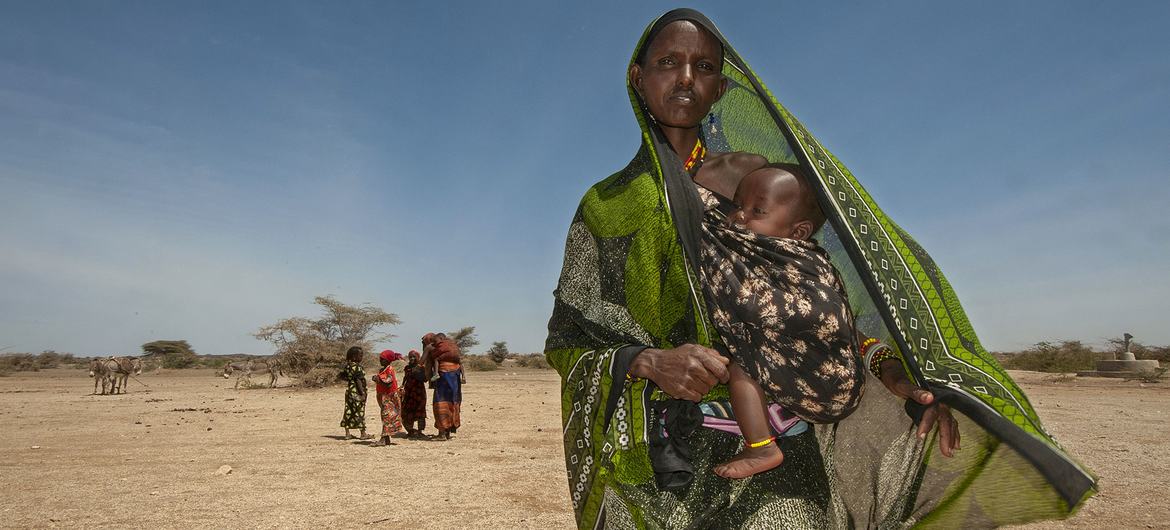
The recent Gender Snapshot report by the UN provides a stark assessment of the global state of gender equality, focusing on progress towards the Sustainable Development Goals (SDGs). At the midpoint to 2030, the report cautions that if current trends persist, over 340 million women and girls could face poverty by the target year, constituting 8% of the world’s female population. Disturbingly, nearly one in four could experience moderate or severe food insecurity.
The report highlights a significant gender disparity in unpaid care and domestic work, projecting that the next generation of women will spend 2.3 more hours per day on these responsibilities compared to men. Additionally, the report underscores the persistent gender gap in power and leadership roles, emphasizing the urgent need for attention and action to address this deeply entrenched issue.
A noteworthy aspect of the report is its integration of sex-disaggregated data concerning the intersection of gender and climate change. Projections are alarming, suggesting that under a worst-case climate scenario, climate change could drive up to 158.3 million more women and girls into poverty by mid-century—16 million more than their male counterparts.
Further examination reveals that older women face heightened rates of poverty and violence compared to older men. Shockingly, in 28 out of 116 countries with available data, fewer than half of older women have a pension, underscoring the need for targeted policies to address these disparities.
The report’s assessment of progress towards SDG 5, focused on gender equality, paints a bleak picture, with only two out of several indicators nearing their targets and none meeting them. Financially, achieving gender equality across key goals requires an additional investment of about $360 billion annually, signaling the necessity for substantial commitments and innovative solutions.
Maria-Francesca Spatolisano emphasizes that gender equality isn’t merely a goal within the 2030 Agenda; it’s the fundamental cornerstone of a fair society. Addressing gender inequalities is seen as a catalyst that can unlock untapped potential, propelling progress and prosperity for all. The report serves as a resounding call to action, urging concerted efforts and collaboration across sectors and stakeholders to address these critical issues and pave the way for a more equitable world.