
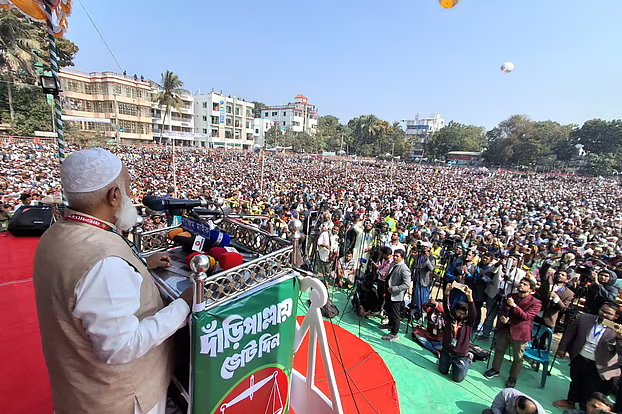
Jamaat-e-Islami Ameer Shafiqur Rahman said a nationwide “current for justice and change” is building against corruption and “fascism,” adding that “some people have lost their cool seeing this tide.” Speaking at rallies in Satkhira and later in Khulna, he endorsed 11-party alliance candidates, handing them the scales symbol, and pressed voters to back reforms in the Feb. 12 referendum and national polls the same day.
Rahman framed the referendum as a binary choice—“‘Yes’ means freedom, ‘No’ means servitude”—and urged supporters to “first cast a strong ‘Yes’ vote” before voting the scales as the “vote for justice.” He said youth had “chosen reform” and were uniting against “old and new fascism.”
Pledging a governance model “in the spirit of Medina,” he vowed tougher anti-graft action, including recovering allegedly laundered wealth, and promised an “equitable, risk-based” salary structure for public employees. He said a future government under his alliance would prioritize local consultation on development and return “people’s resources to the people.”
Without naming rivals, Rahman criticized what he called contradictions in opponents’ welfare messaging, telling a Khulna audience, “You cannot hand out family cards on one hand and dishonor mothers on the other.” He also promised jobs and skills over “demeaning” unemployment stipends for youth.
On foreign relations, he said Bangladesh would seek “good conduct” with neighbors while rejecting any external “patron.” He appealed for calm amid campaign-season clashes: “Trust the people’s verdict… headstrong reactions help no one.”
The Satkhira event was chaired by local Jamaat leaders; nominees for the district’s four seats and alliance figures joined him on stage. In Khulna, Rahman introduced six alliance candidates and repeated his call for a peaceful, high-turnout vote on Feb. 12.