
A new historical spotlight underscores how Muslim women have long shaped public welfare through waqf—perpetual charitable endowments regarded in Islamic tradition as sadaqah jariyah (ongoing charity). From the Prophet’s era to the Ottoman court, women endowed land, waterworks, schools, hospitals and shelters, leaving infrastructures that served communities for centuries.
The tradition begins at the source. Among the Mothers of the Believers, Aisha (ra) endowed land for two displaced families; Umm Habiba (ra) set aside assets for freed persons; Safiyyah (ra) endowed for the Banu Abdan; and Umm Salama (ra) also created charitable endowments. Companion Asma bint Abu Bakr (ra) made her home inalienable charity—neither to be sold, gifted nor inherited—setting an early precedent for women’s independent philanthropy.
Across the Islamic world, female patrons translated piety into public goods. In Morocco, Fatima al-Fihri’s endowment founded the Qarawiyyin, often cited among the world’s oldest universities. In Egypt, Princess Fatma Ismail’s gifts of land, funds and jewelry were pivotal to establishing what became Cairo University.
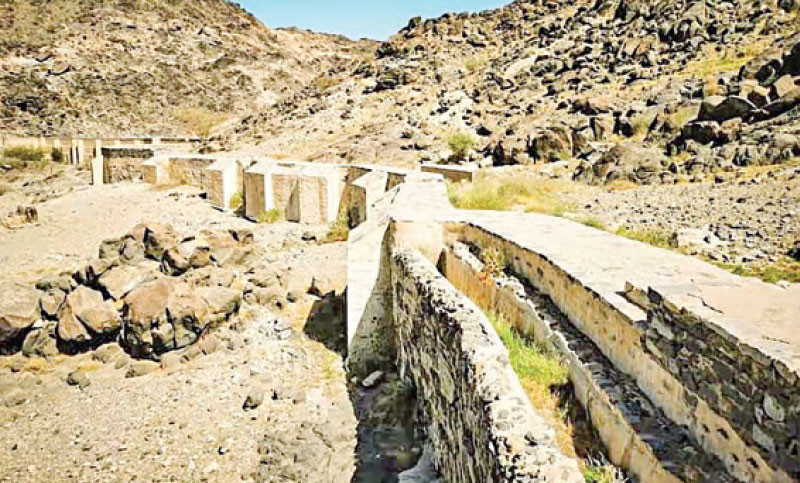
During the Ayyubid, Mamluk and Ottoman periods, women’s waqf activity flourished. Abbasid queen Zubayda bint Ja‘far financed the famed Nahr Zubayda, a roughly 40-mile hydraulic project channeling water to Mecca, Mina, Muzdalifah and Arafat, and built wells and caravanserais on the Baghdad–Mecca route for pilgrims. In Aleppo, Ayyubid princess Dayfa Khatun founded Madrasa al-Firdaws in 1235, endowing it generously; the institution still functions.
Ottoman Hurrem Sultan (Roxelana) endowed the Haseki Sultan Complex in Istanbul (mosque, schools, a women’s hospital) and established the Haseki Sultan Imaret in Jerusalem in 1552, which fed hundreds of vulnerable people daily; she supported a similar kitchen in Mecca and attached facilities like a madrasa, mosque, stables and a wayfarers’ lodge. Ayyubid princess Rabi‘a Khatun bint Ayyub endowed Madrasa al-Sahibah on Damascus’s Mount Qasioun and funded parallel institutions for Hanafi, Shafi‘i and Hanbali juristic schools—an early model of intra-Sunni pluralism.
Mamluk-era Tizkar Khatun, daughter of Sultan Baybars, committed her wealth to a ribat (women’s shelter) for destitute, widowed or abandoned women and endowed it to ensure sustainability after her death. In Khorasan, Asma bint Mustafa endowed orchards—Bustan al-Shukr and Bustan Umm Inab—and farmland, stipulating that a portion of annual yields support Baghdad’s poor.
Chroniclers noted the scale of this culture of giving. The traveler Ibn Jubayr famously observed that in Damascus “waqf seems to encompass nearly everything,” reflecting how endowments—often initiated or expanded by women—underwrote education, health, water and social protection.
Historians say the record challenges modern assumptions about women’s roles in Islamic societies. It also offers a tested blueprint for today: community-run endowments with clear deeds, dedicated revenue streams and concrete social mandates. As public sectors strain and philanthropy searches for lasting models, these women’s waqf legacies remain a living reminder that durable social welfare can be both faith-rooted and institutionally robust.