
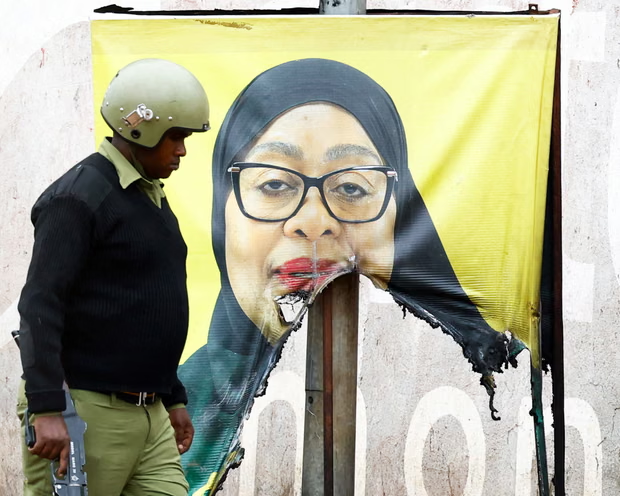
Tanzanian authorities say they are pursuing 10 people, including senior figures from the main opposition party, Chadema, in connection with last week’s post-election unrest that rights groups and the opposition say left more than 1,000 people dead at the hands of security forces. The government dismissed the toll as exaggerated but has not released its own figures.
The crackdown followed an election in which incumbent President Samia Suluhu Hassan was declared the winner with 98% of the vote after major rivals were barred from running. Independent observers said the polls were not democratic, citing reports of ballot stuffing and the exclusion of key opposition candidates. Hassan, sworn in on Monday at a closed, televised ceremony held on a military parade ground in the capital, insisted the election was free and fair.
Police announced a “serious manhunt” for alleged organizers of the unrest and confirmed that 145 people have been charged with treason. Those sought include Chadema secretary general John Mnyika, deputy leader Amani Golugwa, and communications chief Brenda Rupia. Chadema chair Tundu Lissu, charged with treason in April, was barred from the ballot—a decision the opposition says helped ignite the protests.
Demonstrations erupted on 29 October across multiple cities, according to officials. Amnesty International said authorities imposed an internet shutdown and used excessive force to suppress protests, while reporting enforced disappearances, arbitrary arrests and extrajudicial killings in the run-up to the vote. Rights groups say the state has also targeted individuals perceived to back the demonstrations, including prominent businesswoman Jenifer Jovin, accused of encouraging protesters to buy gas masks.
President Hassan acknowledged that people died during the unrest but blamed foreign interference, saying it was “not a surprise that those arrested were from other countries.” Hassan, who became Tanzania’s first female president in 2021 and was initially credited by activists with loosening political controls, now faces mounting criticism at home and abroad over the mass arrests, treason charges and the exclusion of opposition from the electoral process.
As authorities pursue opposition leaders and supporters, Chadema and human rights organizations are demanding an independent investigation into the deaths, the release of detainees and steps toward credible, multi-party elections—warning that the sweeping arrests risk deepening Tanzania’s political crisis.