
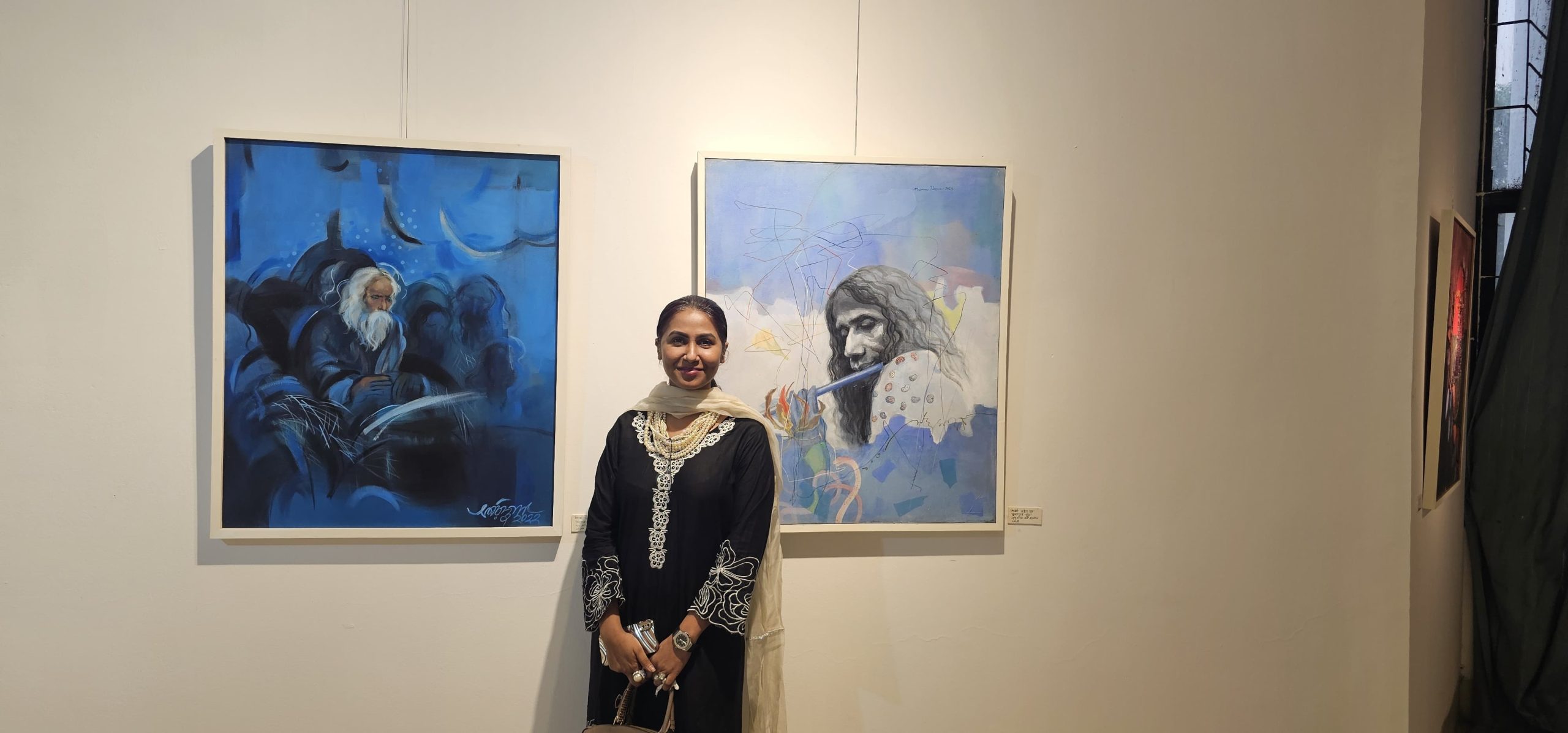
In celebration of International Women’s Day, the Bangladesh Shilpakala Academy has inaugurated a special exhibition titled Dipto Nayon, featuring the works of 83 female artists. This grand showcase, housed in two galleries, presents 130 exceptional artworks, reflecting the journey of women in the Bangladeshi art scene. While gender equality among artists has improved in recent years, historically, women faced immense challenges in establishing themselves in the field. Despite this, a select few managed to carve out their space, proving their artistic prowess against societal odds.
The struggle for gender representation in the arts dates back to the mid-20th century. When the great artist Zainul Abedin founded the first art institution in Dhaka in 1948, it was an all-male domain. It wasn’t until 1954—six years later—that women were allowed to enroll. The first batch included five female students, all of whom later became professional artists. However, due to various socio-political constraints, female enrollment remained limited for years. The landscape began to shift after Bangladesh’s independence in 1971, and by the late 20th century, women had firmly established their presence in the art world.
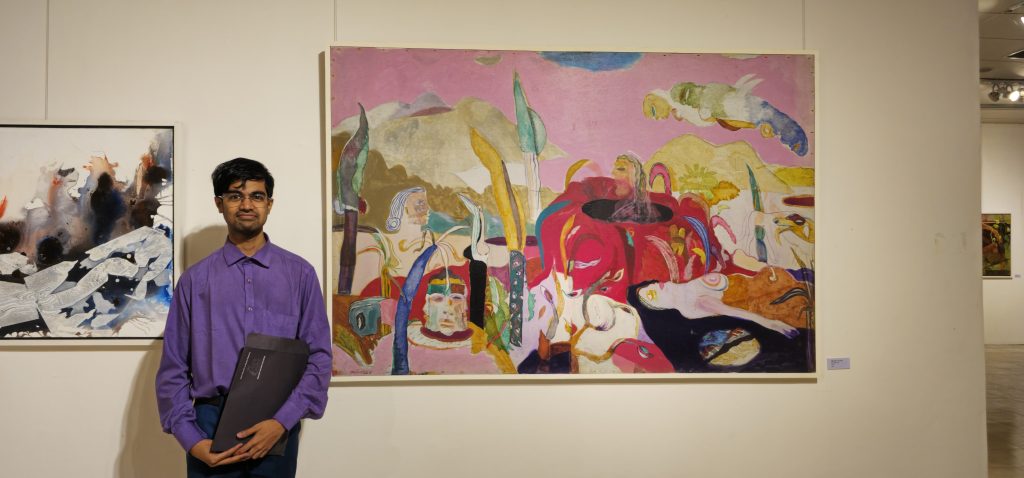
The Dipto Nayon exhibition showcases both veteran and emerging artists, featuring names like Farida Zaman, Noorun Nahar Papa, Deepa Haque, Nasreen Begum, Naima Haque, Rokeya Sultana, Fareha Zeba, and Sufia Begum. The exhibition also includes sculptures from legendary figures such as Ferdousi Priyabhashini, Ivy Zaman, and Shamim Shikder. A rare highlight is a piece by Tahera Khanam, a first-generation female artist and wife of renowned painter Quamrul Hassan. The event further presents previously unseen works by Noorun Nahar Papa and Deepa Haque, whose contributions have been instrumental in shaping contemporary Bangladeshi art.

This year, Rokeya Sultana, a leading figure in the art community, was honored with the Ekushey Padak for her contributions. Many of her works, along with those of other artists who have gained international recognition, are included in the exhibition. The curatorial approach of the show is particularly innovative, categorizing artworks into themes such as Mother and Liberation, Politics of Identity, Archaeology, Nationalism, and Eternal Garden. This structure enhances the viewer’s engagement by providing contextual references before entering each section. The exhibition is set to conclude on Saturday, March 22.

Amid this celebration of women’s artistic contributions, Alisha Pradhan, the founder of HerNet Fine Arts, visited the National Art Gallery on Thursday and engaged in discussions with Mr. Mostafa Zaman, Director of Bangladesh Shilpakala Academy, and Mr. Pradyut Kumar Das, Deputy Director. Their conversation focused on promoting peace and harmony through art and HerNet Fine Arts’ ambitious initiative to establish the largest art data center in Bangladesh. Accompanying her was Mr. Sabyasachi Paul, Head of Strategy and Policy at HerNet Foundation, who emphasized that a strong global representation of Bangladeshi art could serve as a powerful medium to showcase the nation’s cultural identity on the international stage.
This growing momentum in Bangladesh’s art scene, coupled with efforts from institutions and visionaries like HerNet Fine Arts, signals a new era where art is not only a means of self-expression but also a bridge to global recognition and dialogue.
