
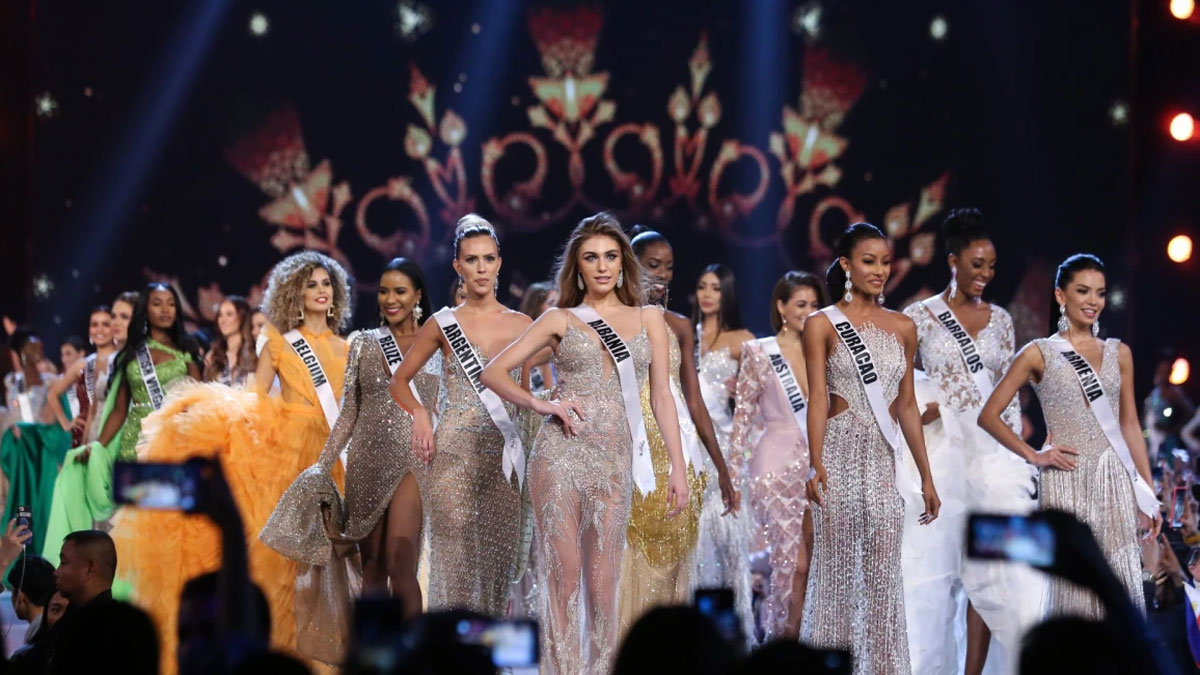
During a recent conference in Prayagraj, Uttar Pradesh, opposition leader Rahul Gandhi criticized the lack of representation from marginalized communities in prominent fields like Miss India beauty pageants, Bollywood, and cricket. He argued that without the participation of “90 percent” of the population, which includes Dalits, tribals, and other backward communities, India could not function effectively.
Gandhi pointed out the absence of these communities in fields where public visibility and influence are significant. “I’ve seen the list of winners in beauty contests, and there are no Dalit, tribal, or other backward community women. This lack of representation is also evident in sports and media,” Gandhi stated, highlighting a systemic exclusion in various high-profile sectors.
In response, BJP leaders accused Gandhi of trivializing important issues by demanding quotas in beauty contests, movies, and sports. Union Minister Kiren Rijiju criticized Gandhi’s comments on social media, labeling them as immature and not just his responsibility but also of those who encourage him. Rijiju also mentioned that the current Indian cabinet includes several members from Scheduled Castes and Scheduled Tribes, including President Draupadi Murmu, who is the country’s first tribal president, and Prime Minister Narendra Modi, who comes from a backward community.
Mallikarjun Kharge, the leader of the Congress party, further criticized the Modi government by calling it a “flip-flop government” following its recent policy reversals. This came after the government announced the Unified Pension Scheme (UPS), which guarantees a pension for all, just a day after Kharge highlighted the government’s lack of consistency.
Kharge emphasized the power of the people over the prime minister’s arrogance since June 4, vowing to ensure accountability and protect the Indian populace from the autocratic tendencies of the current administration.
BJP spokesperson Tuhin Sinha countered, accusing the Congress of financial mismanagement in states they govern, such as Telangana and Karnataka, arguing that the Congress’s governance track record speaks of corruption and mismanagement.
The exchange highlights the ongoing political battle over social equity and representation in India’s socio-cultural and political spheres, with both parties standing firm on their respective views regarding inclusion and governance.