
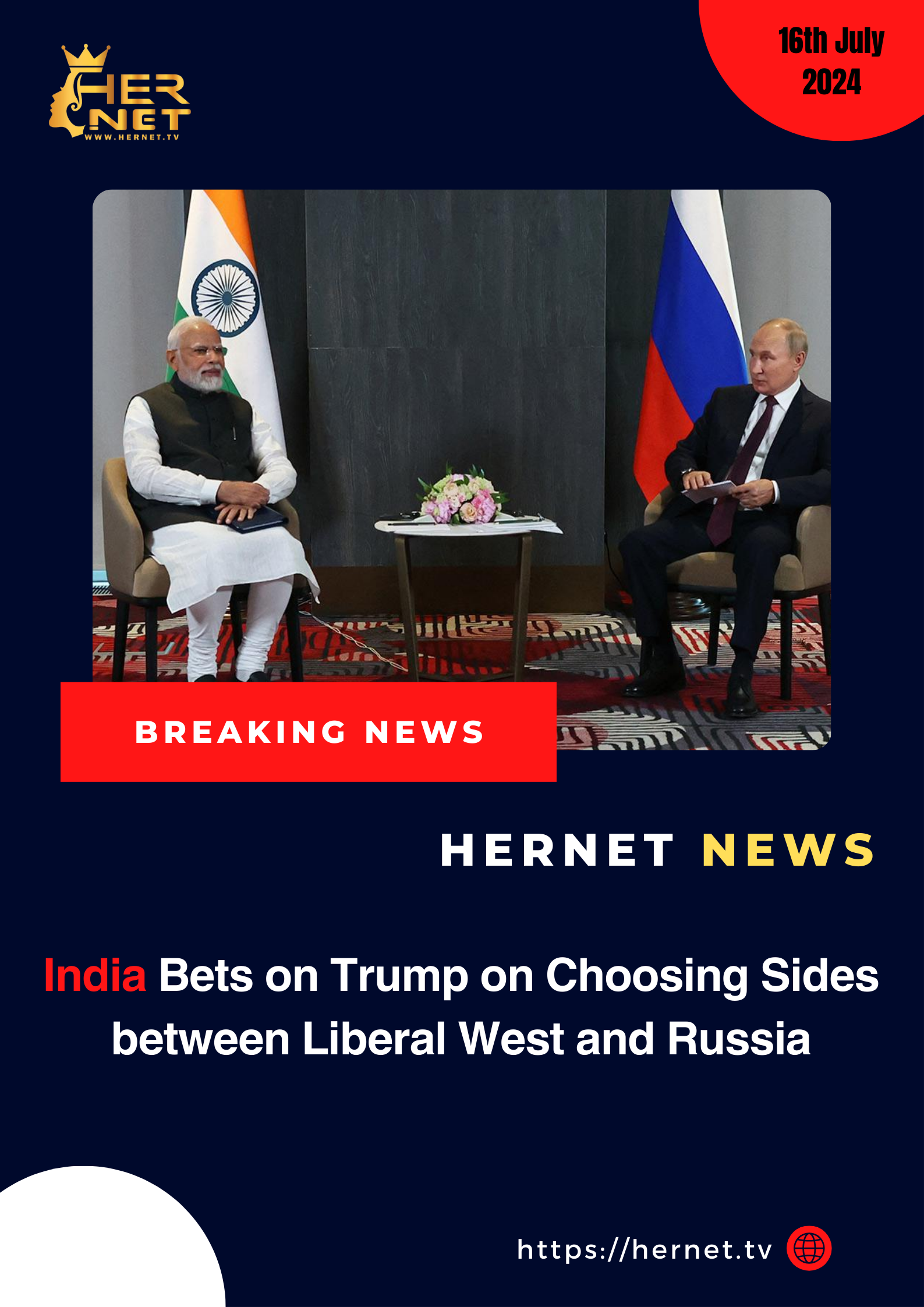
Indian Prime Minister Narendra Modi’s recent visit to Russia and his embrace with President Vladimir Putin has sparked a wave of international reactions and raised eyebrows in diplomatic circles, particularly in the United States and Ukraine. This meeting, which marks Modi’s first trip to Russia since the outbreak of the Ukraine war in February 2022, has been met with significant criticism from both Washington and Kyiv, questioning the timing and the optics of such a warm interaction.
US and Ukrainian Reactions: The United States has expressed concern over Modi’s actions, suggesting that such gestures might not bode well for India’s international relations, especially with the West. US National Security Adviser has labeled the close ties with Russia as a “bad bet” for India. Meanwhile, Ukrainian President Volodymyr Zelenskyy has directly criticized Modi, linking his visit to a tragic incident where a children’s hospital in Ukraine was attacked, highlighting the emotional and moral implications of such diplomatic engagements.
Strategic Autonomy or Geopolitical Misstep? Analysts are pondering whether Modi’s visit represents a strategic maneuver by India to maintain its longstanding relationship with Russia, or if it is a geopolitical misstep that could potentially alienate key allies. India’s historical ties with Russia as a major supplier of defense equipment and energy resources play a significant role in this complex relationship. Despite growing ties with the US and other Western nations, India continues to navigate its path, balancing its strategic interests across global powers.
Implications of US Political Dynamics: There is speculation that the Modi government is anticipating a potential shift in US politics with the possible re-election of Donald Trump, who has previously shown a less aggressive stance towards Russia. Trump’s focus during his presidency was more on countering China, aligning with India’s strategic priorities in the region. This anticipation might be influencing India’s current diplomatic moves, expecting that a change in US leadership could lead to a more favorable environment for India-Russia relations.
Long-term Consequences: The long-term impact of Modi’s visit on India-US relations remains to be seen. While there may be immediate criticisms and diplomatic strains, the foundational strategic interests between India and the US, particularly concerning China, suggest a potential for reconciliation and understanding of mutual geopolitical realities. The dynamics of international diplomacy are complex, and nations often have to make nuanced decisions that balance domestic interests with global perceptions.
Overall, Modi’s visit to Russia underscores the challenges and intricacies of maintaining relationships with global superpowers, especially in a geopolitical climate that is increasingly polarized and contentious. The reactions from the US and Ukraine highlight the delicate nature of international diplomacy where symbolic gestures can have profound implications, shaping the perceptions and actions of allies and adversaries alike.