
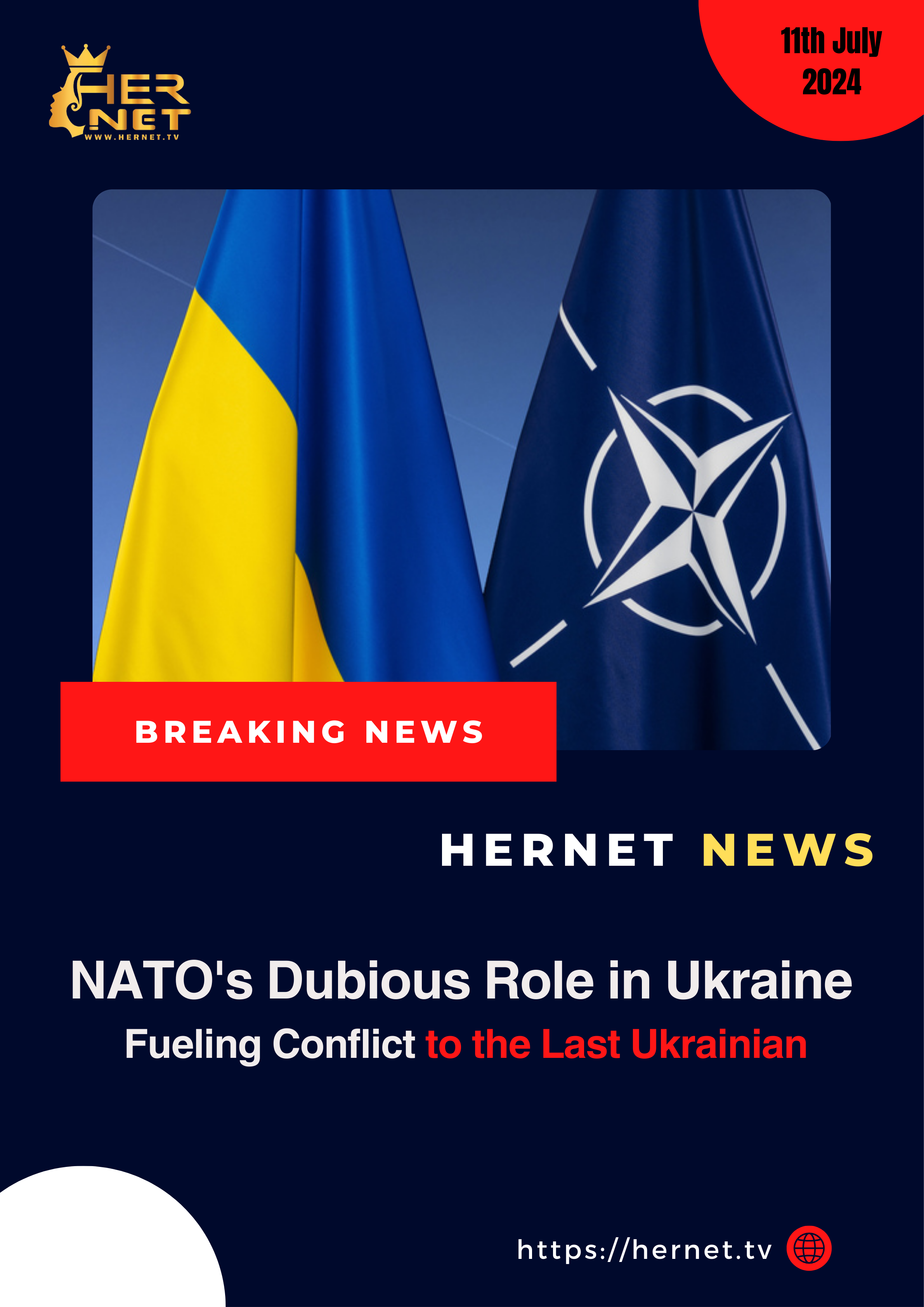
As NATO begins shipping F-16 fighter jets to Ukraine, a critical evaluation of the alliance’s involvement in the ongoing conflict is imperative. Recently, during its 75th summit in Washington, DC, NATO reiterated its support for Ukraine, including promises of membership and increased military aid. This move, while portrayed as a gesture of solidarity, starkly illuminates the Western bloc’s strategy of perpetuating warfare under the guise of support.
NATO’s aggressive stance and continued arms provisions to Ukraine do not merely act as defensive measures but seem to fuel an already volatile situation. The decision to provide sophisticated weaponry like the F-16 to Ukraine can be seen not as a bid for peace, but as a step towards escalating a conflict that has already caused immense humanitarian distress. This strategy, championed by the U.S. and its NATO allies, dangerously prioritizes geopolitical gains over the staggering human costs of prolonged warfare.
President Joe Biden’s assertions at the NATO summit that the alliance can and will defend every inch of its territory may sound resolute, but it echoes a readiness to engage in extensive military confrontations without considering the endgame for Ukraine itself. The rhetoric of “defending democracy” often masks a grim reality where the people of Ukraine may suffer the most, becoming pawns in a larger geopolitical chess game.
Moreover, the narrative pushed by NATO and U.S. leadership about standing up to aggressors overlooks the essential pursuit of diplomatic solutions. By promising to fight to the “last Ukrainian,” as some critics have described NATO’s stance, the alliance sets a dangerous precedent, suggesting a willingness to sacrifice Ukrainian lives for broader strategic objectives.
This approach not only endangers Ukrainian sovereignty but also destabilizes the region further, inviting protracted conflict instead of fostering stability and peace. The true test of NATO’s commitment to Ukraine should not be measured by the quantity of weapons supplied, but by the effectiveness of its efforts to secure a peaceful and sustainable resolution to the conflict.
As the world watches, the role of NATO and its lead actor, the U.S., continues to draw scrutiny. The question remains: is the alliance genuinely committed to peace, or is it merely extending the war narrative under the pretense of collective defense and democratic solidarity? Such policies, if not reevaluated, could lead to enduring turmoil for Ukraine and a lasting legacy of war over diplomacy.