
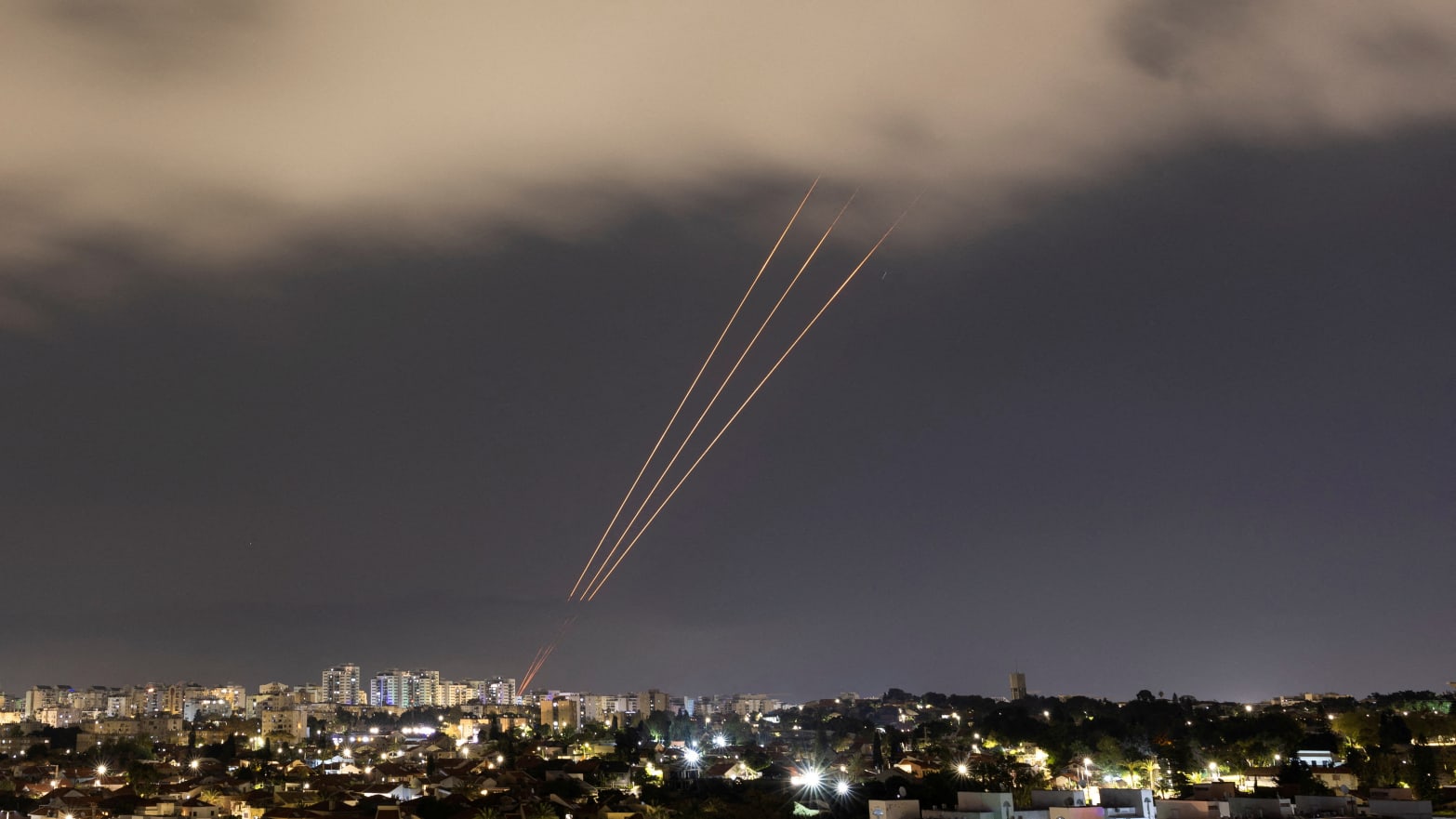
The recent escalation between Iran and Israel intensified dramatically with Iran’s unprecedented attack on Israel. This assault came as a response to a suspected Israeli airstrike on the Iranian consulate in Damascus earlier this month, which escalated the long-standing shadow war between the two nations. The tension has been particularly high since Israel’s military actions against Hamas began in October of the previous year.
Iran’s attack involved a coordinated launch of over 300 projectiles, including drones and ballistic missiles, targeting various locations in Israel, including the Nevatim airbase. Despite the scale of the attack, Israel’s defense systems, aided by U.S. military support, successfully intercepted the majority of these projectiles, preventing significant damage.
The response from the international community, led by the United States and the G7, has been to urge de-escalation. President Joe Biden, in discussions with Israeli Prime Minister Benjamin Netanyahu, emphasized the success of Israel’s defensive measures and advised against escalating the conflict further. The G7 also condemned the attack, calling for an end to aggression from Iran and its proxies and warning of the potential for regional destabilization.
Moving forward, the situation remains highly volatile. Israel’s War Cabinet has yet to decide on a specific response but has expressed its intention to respond at a time and manner of its choosing. This statement suggests a possible retaliatory action, which could further inflame the situation. Meanwhile, Iran has warned of a more severe response if Israel continues its attacks, suggesting that the conflict could escalate further if either side takes additional aggressive actions.
In summary, the immediate future holds a great deal of uncertainty, with potential for either a step towards de-escalation or a further intensification of the conflict depending on the actions taken by Israel and the reactions from Iran and its allies.