
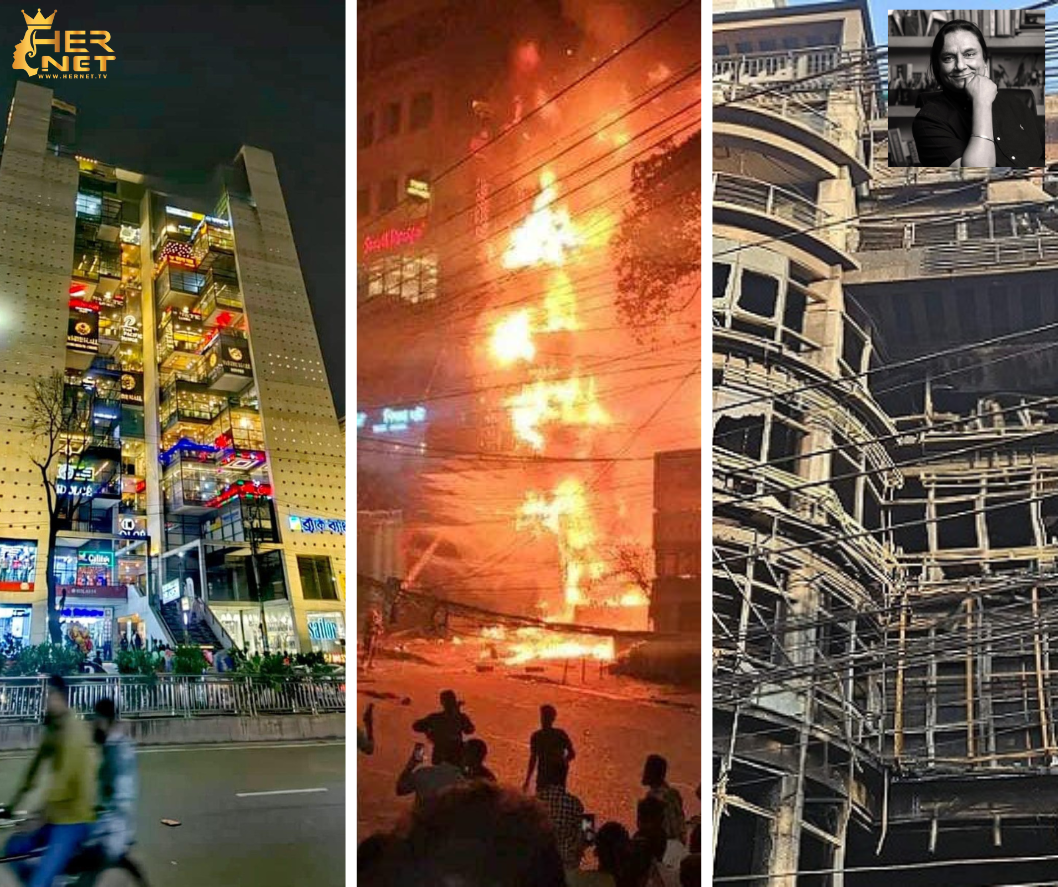
A Dire Warning for Dhaka: The Architect’s Perspective by Mustapha Khalid Palash
In an urgent disclosure that should serve as a wake-up call for Dhaka, renowned architect Mustapha Khalid Palash sheds light on a grievous safety oversight in the city’s heart. His narrative revolves around a commercial building, repurposed into a bustling restaurant complex, operating without the slightest heed to fire safety norms. This flagrant abuse of architectural intent and regulatory compliance has laid bare a perilous reality that, according to Palash, epitomizes the broader crisis engulfing Dhaka.
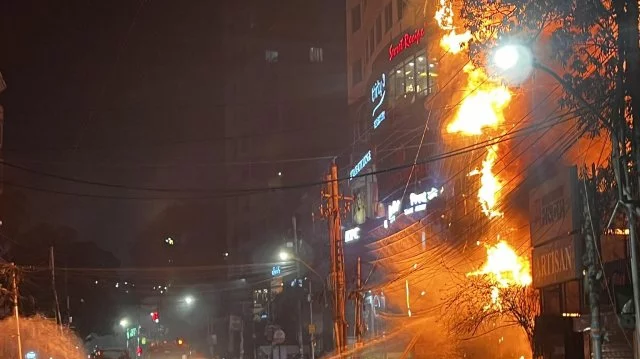
Palash articulates his constant apprehension over the building’s safety, lamenting the stark deviation from its intended commercial use. The absence of an occupancy certificate— a crucial document affirming a building’s compliance with safety and design standards— starkly illustrates the extent of regulatory disregard. Despite his professional recommendations and repeated warnings to both the landowner and developer, his pleas have fallen on deaf ears, a testament to a disturbing indifference driven by financial gain.
This situation, as Palash painfully notes, is not isolated. It mirrors a widespread issue within Dhaka, where nearly 90% of buildings are marred by fire safety hazards. The city’s haphazard growth, marked by an unsustainable expansion and a blatant neglect for planning norms, has rendered it a ticking time bomb. The conversion of fire exits into storerooms, the unregulated placement of gas cylinders, and the removal of fire doors are just a few examples of the egregious safety violations that pervade the city’s infrastructure.
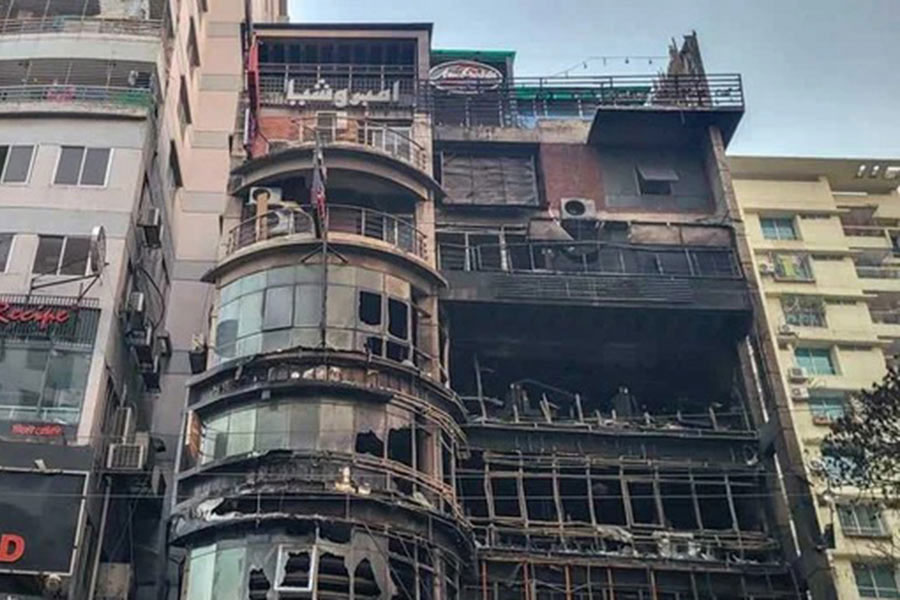
Palash’s critique extends beyond this single instance, casting a harsh light on Dhaka’s overall urban development. The city, having grown unsustainably, now poses significant risks to its inhabitants. The architect’s narrative is not just a call for rectification of a singular wrongdoing but a desperate plea for a city-wide overhaul. The systemic issues that allow for such dangerous oversights demand immediate attention, with Palash advocating for a reevaluation of Dhaka’s urban planning and enforcement of building codes.
In a tone both critical and empathetic, Palash argues that the entire city must confront its shortcomings head-on. The current state of affairs, where fire hazards are a norm rather than an exception, is untenable. His insights serve as a crucial reminder of the responsibilities that developers, architects, and regulatory bodies share in safeguarding the public. Without a collective effort to address these systemic failures, Dhaka’s future remains grim, shadowed by the specter of potential disaster. The time for action is now, before the consequences of inaction manifest in ways too tragic to imagine.