
The icy landscapes of Antarctica, long considered remote and unchanging, have undergone startling transformations this year, alarming scientists and policymakers worldwide. As the hottest year on record concludes, a series of studies have highlighted rapid and unforeseen shifts in the continent’s climate systems, sparking global concern.
Professor Nerilie Abram from the Australian National University, currently stationed at Casey station in Antarctica, observes a dramatic change from a decade ago – the complete absence of sea ice. This shift is symbolic of the broader environmental upheaval occurring across the continent.
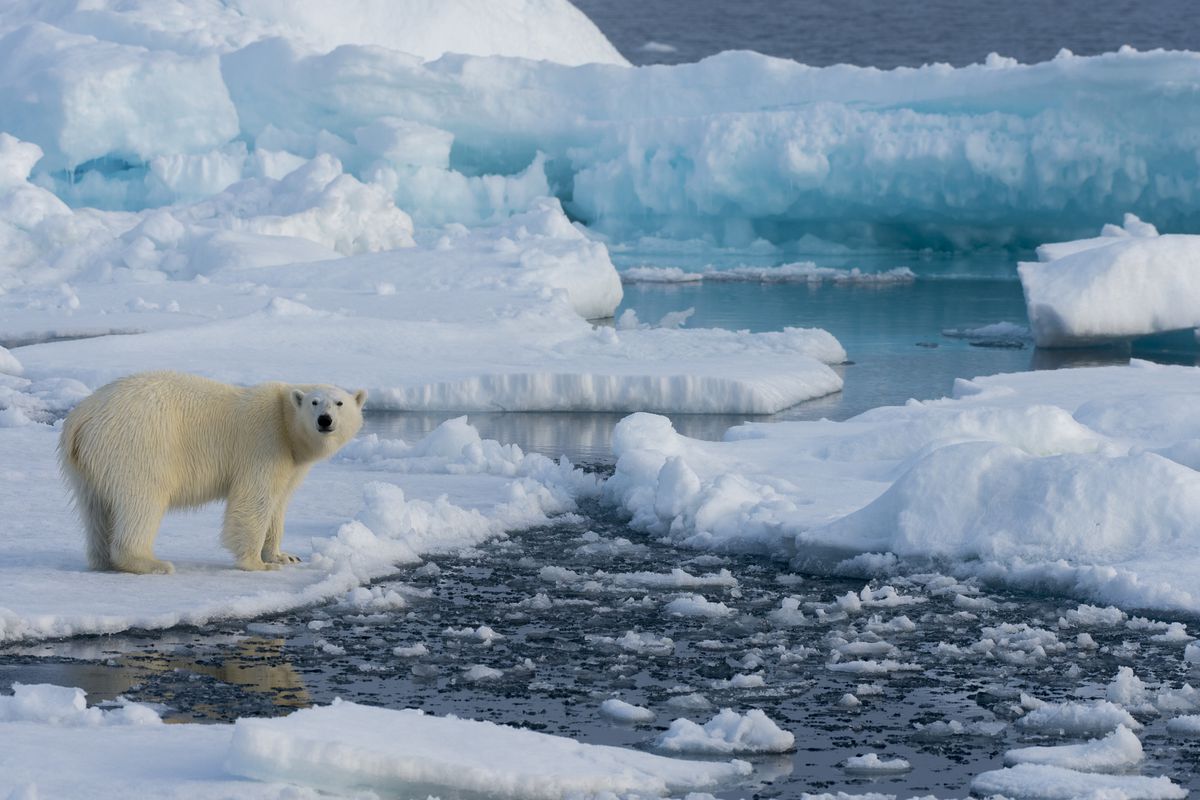
The southern continent has experienced a series of unsettling events, raising red flags about its ecological health and global impact. Notably, Antarctic sea ice coverage plummeted for six consecutive months, reaching levels significantly below the historical average. This drastic decline was linked to potential catastrophic breeding failures in emperor penguin colonies, as stable sea ice, essential for rearing young, disappeared.
In the east, the coldest region on Earth, temperatures soared to unprecedented highs, with a heatwave peaking at 39°C above normal. This extreme weather event underscores the rapid and alarming changes occurring even in the most frigid parts of the planet.
A study in Nature highlighted another concerning trend: the melting of Antarctica’s ice sheets could significantly slow down the Southern Ocean overturning circulation by 2050 if greenhouse gas emissions continue unabated. This circulation is crucial for global weather patterns and ocean temperatures, and its disruption could have far-reaching consequences.
Furthermore, new research suggests that the accelerated melting of ice shelves over the Amundsen Sea in West Antarctica is now inevitable, regardless of future emission reductions. This melting could contribute to a substantial rise in global sea levels and represents a tripling of the pace compared to the last century.
The arrival of bird flu in the sub-Antarctic region for the first time this year adds to the list of environmental concerns, with potential catastrophic impacts on local ecosystems.
As governments struggle to respond to these challenges, the decline in sea ice, in particular, stands out. Tony Press, a former head of the Australian Antarctic Division, described the situation as a “waking of a sleeping giant,” with potential global repercussions. The reduction in sea ice is likely to accelerate ocean warming and amplify the rate of global sea level rise.
These developments in Antarctica serve as a stark reminder of the interconnectedness of global ecosystems and the urgent need for concerted action on climate change. The changes observed this year in Antarctica are not just a regional concern but a global emergency that requires immediate and decisive action from world leaders and policymakers.