
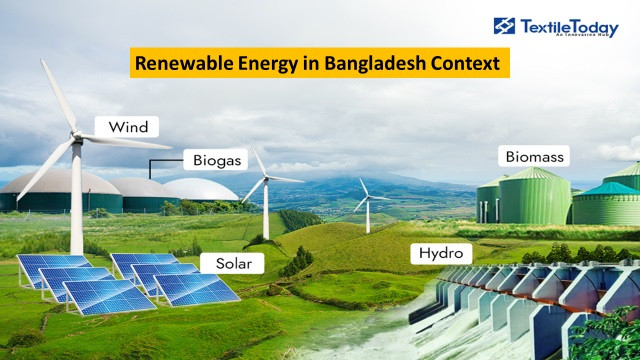
Bangladesh, a country with a burgeoning population and growing energy needs, is increasingly turning its attention to renewable energy sources as it seeks to achieve a more sustainable and environmentally friendly energy landscape. In recent years, the nation has made significant strides in harnessing renewable energy, ushering in a new era of clean power generation and reducing its reliance on fossil fuels.
Solar Power: A Rising Star
One of the most promising developments in Bangladesh’s renewable energy sector is the rapid expansion of solar power. The country’s abundant sunshine makes it an ideal candidate for solar energy adoption. Over the last decade, Bangladesh has seen a surge in solar panel installations, both in urban and rural areas. Initiatives like the “Solar Home System” program have provided solar panels to millions of households, enabling them to access clean and reliable electricity.
Moreover, large-scale solar power projects, including solar parks and solar mini-grids, are increasingly contributing to the national grid’s energy mix. These efforts have not only reduced greenhouse gas emissions but have also extended electricity access to remote regions, fostering economic development and improving the quality of life for many Bangladeshis.
Wind Energy Potential
While solar energy takes the spotlight, Bangladesh is also exploring the potential of wind power. The country’s coastal areas and offshore regions offer favorable conditions for wind energy generation. Several pilot projects are underway to assess the feasibility of harnessing wind energy, and early results indicate significant potential. As technology advances and investment grows, wind power could become a crucial part of Bangladesh’s renewable energy portfolio.
Hydropower and Biomass Initiatives
Bangladesh is also tapping into its hydropower potential, with plans to develop small and medium-sized hydropower projects. These projects, situated in hilly regions, are expected to contribute to the country’s energy diversification efforts.
Biomass energy is another area of interest, especially in rural areas where agricultural residues and organic waste can be converted into biogas or used for biomass power generation. These initiatives not only provide clean energy but also offer income opportunities to farmers and reduce waste.
Challenges and Opportunities
While Bangladesh’s renewable energy sector shows great promise, it faces challenges such as financing, infrastructure development, and grid integration. Investments in renewable energy infrastructure, technology, and capacity building are essential to overcome these obstacles.
International collaborations and partnerships can play a significant role in supporting Bangladesh’s renewable energy ambitions. Access to funding, expertise, and technology transfer can help accelerate the growth of clean energy projects.
A Path to a Sustainable Future
As Bangladesh continues its journey towards a sustainable future, the transition to renewable energy sources is crucial. It not only reduces the nation’s carbon footprint but also enhances energy security and resilience in the face of global energy challenges. With the right policies, investments, and international cooperation, Bangladesh is poised to emerge as a renewable energy leader in the South Asian region, setting an example for sustainable development and environmental stewardship.