
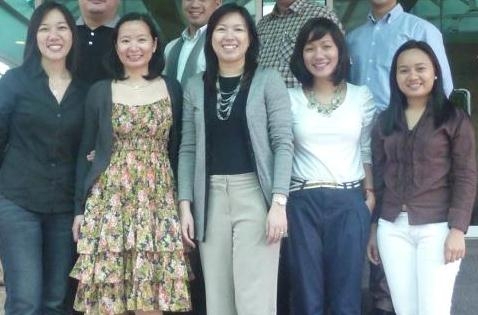
In the Asia Society Philippines, a noticeable trend is the prevalence of women occupying various positions, reflecting the generally supportive societal conditions for women in the country. While this represents a portion of the broader professional community, it showcases the nation’s acknowledgment of the crucial role women play across various domains such as justice, education, economics, politics, and health. Despite ongoing debates, particularly concerning the Reproductive Health Bill in the Philippine Congress, the perception of women in the Philippines has shifted from being seen as solely subservient and modest individuals to being recognized as potent nation builders and leaders. To attribute this transformation solely to government efforts would be an understatement. However, it’s undeniable that a democratic state has paved the way for formalizing women’s protection through the Constitution and its supporting statutes.
In terms of justice, the Philippines has made progress with laws that protect women from domestic violence, early marriage, marital rape, and ensure women’s access to land and bank loans. Legislation such as the “Anti-Violence Against Women and Their Children Act of 2004” (Republic Act No. 9262) and the ‘Anti-Rape Law of 1997,’ which includes protection against marital rape, underpin this progress. Although more measures are needed, especially concerning issues like prostitution and cyber exploitation, existing laws aim to safeguard women; the challenge lies in effective implementation and enhancement.
In the realm of education, women in the Philippines have excelled, and access to education has been inclusive for a significant period. Statistics from the National Statistics Office of the Philippines demonstrate that women’s literacy rates surpass those of men. This showcases the Philippines’ commitment to gender equality and encourages healthy academic competition.
In the economic sphere, although traditionally male-dominated, women in the Philippines are increasingly making their mark. Many businesses now prefer hiring females due to their consistent work ethic and professionalism. Notable female business executives like Ms. Tessie Sy-Coson and Ms. Doris Magsaysay-Hoy further exemplify this shift from traditional stereotypes to emerging groups of professionals.
Political participation has also seen progress, with Filipino women gaining the right to suffrage since the Commonwealth era. The Philippines notably produced Asia’s first female president, Corazon C. Aquino, followed by President Gloria Macapagal-Arroyo. Women are active in both the Senate and the House of Representatives, and the “Party-list System Act” has opened doors for increased women’s representation in the Lower House. The growing presence of women in Philippine governmental processes is a positive trend.
However, the health aspect remains a challenge for the Philippines, reflected in a lower rating compared to other aspects. Issues such as high maternal mortality rates contribute to this lower score. The Reproductive Health Bill remains a contentious topic, embodying the ongoing debate surrounding women’s health and rights in the country.
In summary, while the Philippines has room for improvement in addressing women’s issues, it stands as a country offering significant opportunities for women. It can serve as an example to its Asian neighbors, showcasing the possibility of breaking free from traditional mindsets and embracing a society where everyone receives equal opportunities and treatment, regardless of appearance, size, color, age, or gender.