
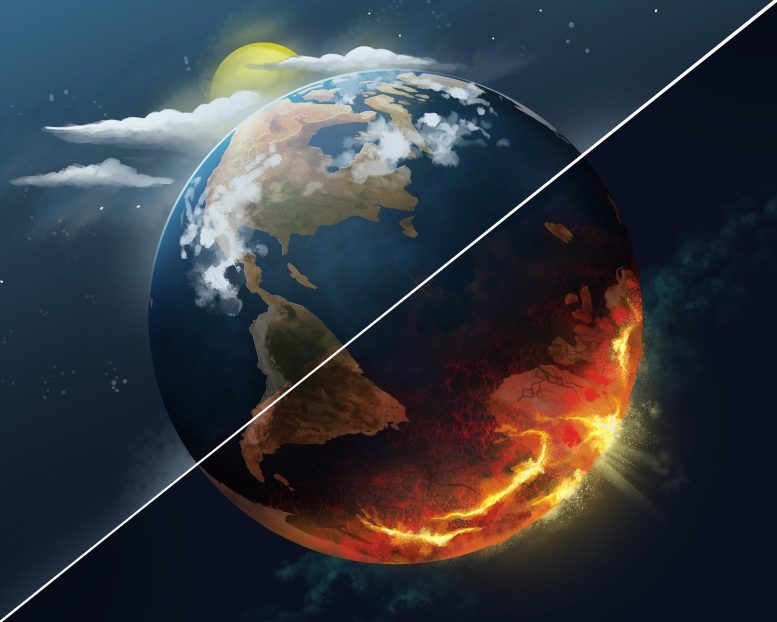
Summer 2024 has been declared the hottest on record by the European climate service Copernicus, indicating that this year is likely to be the warmest ever measured by humanity. The average temperature for the northern meteorological summer—June, July, and August—was 16.8°C (62.24°F), marginally higher than the previous record set in 2023. This ongoing rise in temperatures is attributed to human-caused climate change, amplified temporarily by phenomena like El Niño.
The persistent increase in global temperatures not only breaks historical records but also exacerbates extreme weather conditions, affecting millions worldwide. For instance, Phoenix has experienced over 100 days with temperatures reaching 100°F this year, leading to prolonged and more intense heatwaves. Such conditions increase the likelihood of severe droughts and intense rainfall, resulting in flooding in various regions.
Scientists, including Carlo Buontempo from Copernicus and others like Stefan Rahmstorf from the Potsdam Institute for Climate Research, emphasize that these changes signify the escalating grip of the climate crisis on global environments and societies. Despite a forecasted La Niña, which might bring some relief in the coming months, the overall trend suggests that 2024 could still set the record for the warmest year, driven predominantly by long-term human impacts on the climate.