
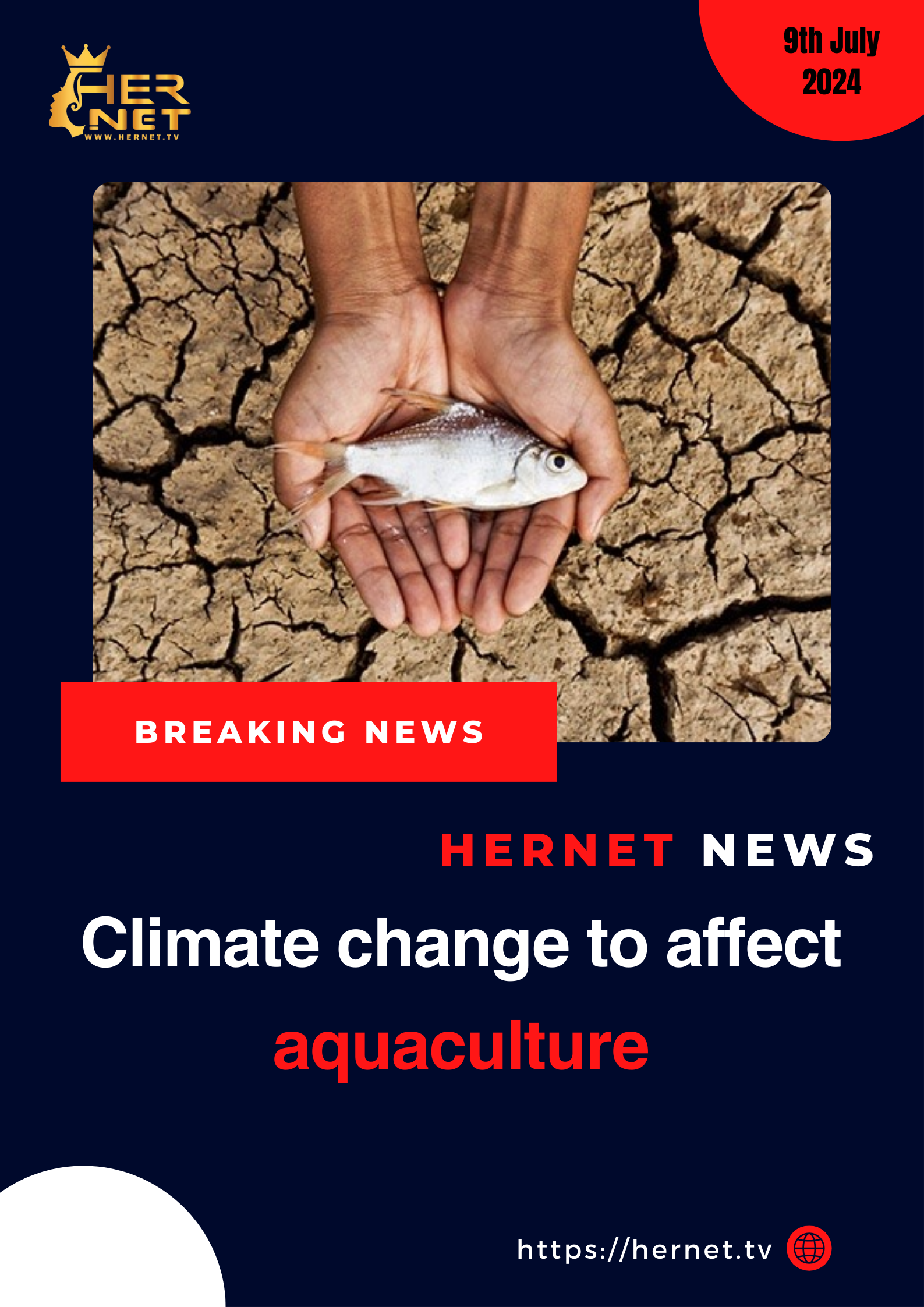
Climate change is poised to significantly impact aquaculture in Asia, home to nearly 90% of the world’s aquaculture production, with countries like Bangladesh facing severe threats due to their vulnerability to environmental changes. This was the key message delivered by Cherdsak Virapat, the Director General of the Centre on Integrated Rural Development for Asia and the Pacific (Cirdap), during a seminar in Dhaka.
The event, organized by Cirdap and the Bangladesh Shrimp and Fish Foundation (BSFF), focused on “Promoting Climate Resilient Aquaculture and Fisheries for Integrated Rural Development in Bangladesh.” It brought together experts and stakeholders to discuss the challenges and strategic actions necessary to safeguard the aquaculture sector from the adverse effects of climate change.
Virapat emphasized the critical need for immediate action to mitigate the impacts of climate change on aquaculture. He outlined the serious consequences of inaction, noting that the cost of remediation would only escalate over time. According to him, the aquaculture industries in Bangladesh, Cambodia, China, India, Nepal, the Philippines, and Vietnam are among the most at risk globally.
To combat these threats, Virapat proposed four strategic actions: enhancing the climate resilience of farmers, farming systems, and available breeds; boosting the capacity to manage both short and long-term climate risks to minimize losses from weather-related disasters; improving the sustainability of genetic diversity in brood stocks to aid adaptation; and developing aquaculture’s potential to mitigate greenhouse gas emissions.
Further, Virapat stressed the importance of developing adaptation strategies to address the main environmental, disease, and genetic threats posed by climate change. This approach aims to provide guidance to the aquaculture community on how to proceed amidst these challenges.
The seminar also highlighted the necessity for improved water storage and efficient use in agriculture, industry, and households, as well as the need to reduce fishing pressure along coastal areas to preserve marine biodiversity.
This gathering marks a critical step towards acknowledging and addressing the intersection of climate change and aquaculture, which is vital for the sustainability of food resources and economic stability in Asia.