
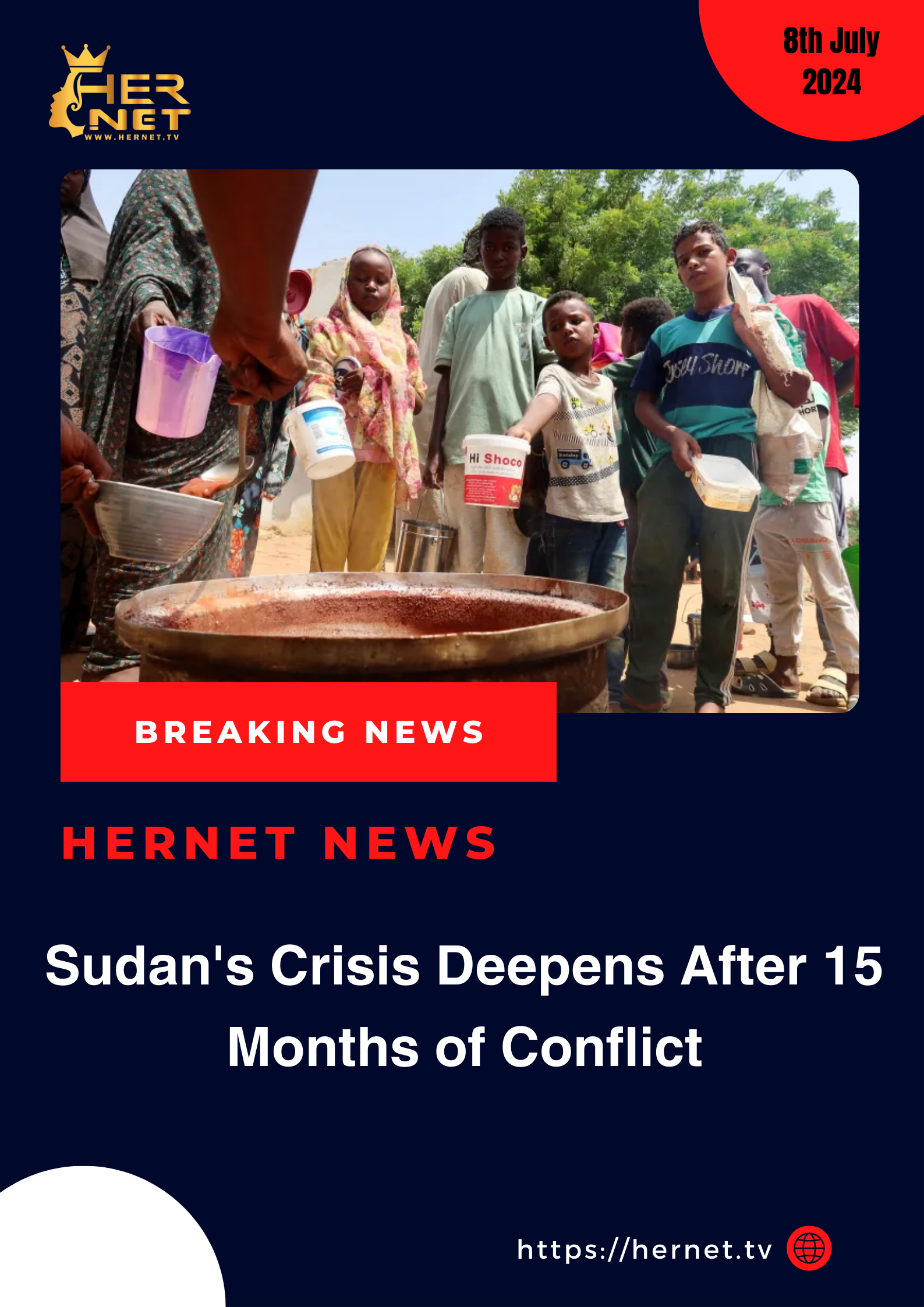
Sudan is grappling with a severe humanitarian crisis as the conflict between the Sudanese Armed Forces (SAF) and the paramilitary Rapid Support Forces (RSF) continues into its 16th month. The war, which began in April 2023, has resulted in tens of thousands of deaths and forced nearly 10 million people to flee their homes, marking one of the most severe displacement crises globally.
Current Situation: Recent attacks by the RSF in the southeastern state of Sennar have escalated the crisis further. Since late June, over 136,000 residents have fled from the towns of Sinja and al-Dinder to safer areas in neighboring al-Gedaref and Blue Nile states, adding to the already substantial number of internally displaced persons. The United Nations Office for the Coordination of Humanitarian Affairs (OCHA) has highlighted the dire conditions faced by these individuals, many of whom have been displaced multiple times due to ongoing violence.
Casualties and Displacement: The relentless conflict has not only claimed numerous lives but also strained Sudan’s infrastructure and healthcare systems. A recent attack on a market in el-Fasher, North Darfur, killed 15 civilians and injured 29, exacerbating the already critical situation. According to the United Nations High Commissioner for Refugees (UNHCR), approximately 7.7 million people remain internally displaced within Sudan, while over two million have sought refuge in neighboring countries such as Egypt, Chad, and Ethiopia.
Humanitarian Response: Despite the massive scale of displacement and need, international aid has been insufficient. The UNHCR reported that it received only 19% of the necessary funds to adequately respond to the crisis, resulting in drastic cuts to food rations and other essential services. The Integrated Food Security Phase Classification (IPC) has warned that Sudan is facing the worst food crisis in its history, with significant portions of the population at risk of severe malnutrition and famine if conditions do not improve.
Diplomatic Efforts: Efforts to mediate peace have repeatedly failed. Recent talks in Cairo, involving various Sudanese factions, did not see the warring parties participate directly, which underscores the challenges in achieving a meaningful dialogue. Previous ceasefires brokered in international negotiations have collapsed, and a resolution by the UN Security Council calling for a ceasefire during Ramadan also saw non-compliance from the combatants.
As Sudan’s war drags on, the international community continues to watch with growing concern, calling for increased aid and a renewed focus on diplomatic solutions to bring about peace and stability in the region. The upcoming agricultural season and the ability to access humanitarian aid will be crucial in preventing further catastrophe in a country on the brink of collapse.