
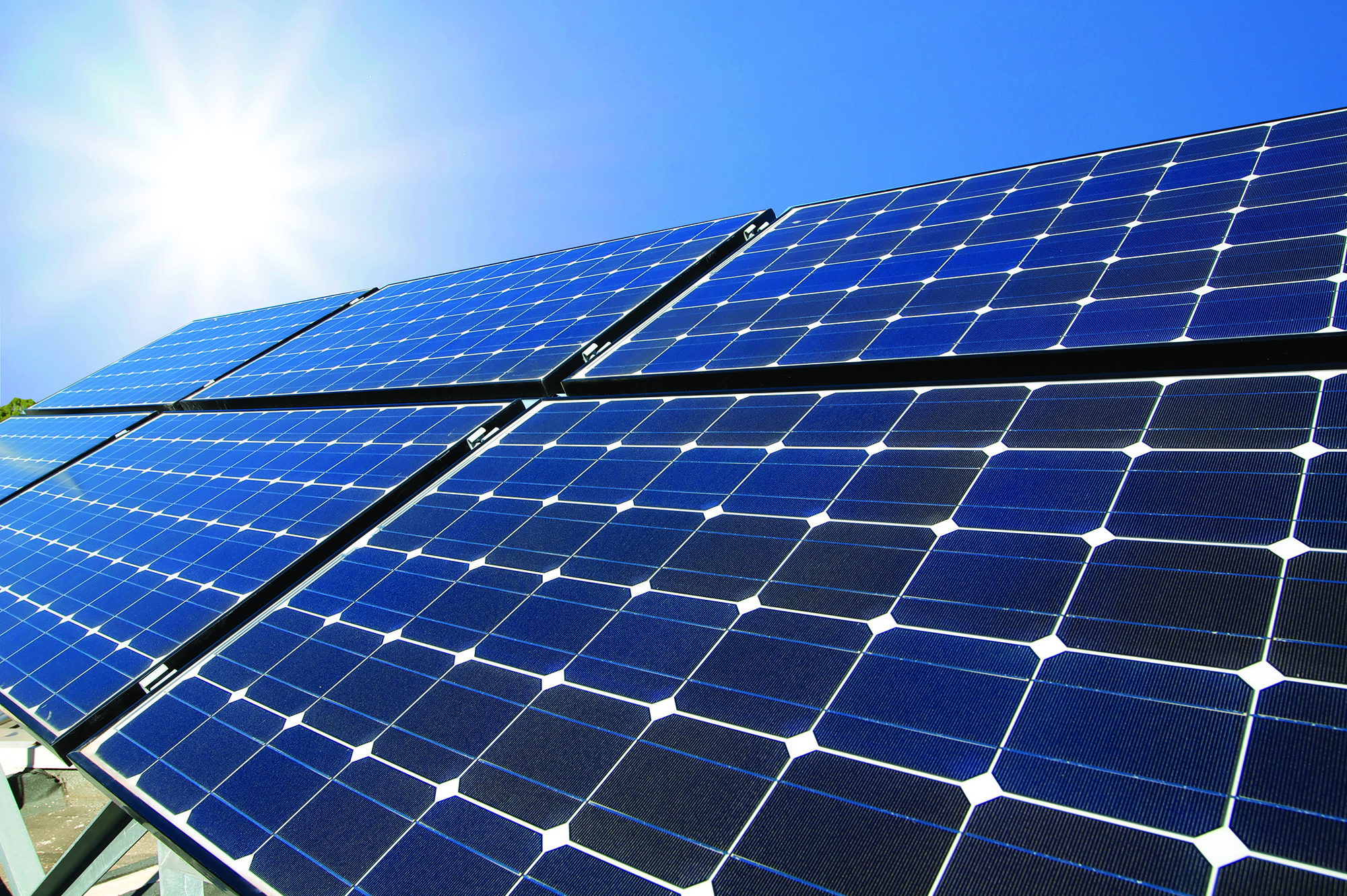
In the heart of South Asia, Bangladesh stands on the cusp of a renewable energy revolution, with solar energy poised to play a pivotal role in its sustainable development. The potential for solar power in Bangladesh is immense, driven by its geographical location, climatic conditions, and the urgent need for alternative energy sources. This article explores the various facets of solar energy in Bangladesh, from its current status and challenges to future prospects and the impact on the economy and environment.
Current Landscape
Bangladesh’s journey towards solar energy adoption began over a decade ago, with the government and various NGOs initiating small-scale solar projects. The country’s National Solar Energy Action Plan aims to generate 40% of its energy from renewable sources by 2041, with solar energy expected to contribute a significant share. As of now, Bangladesh has successfully installed over 5.8 million solar home systems, benefiting approximately 20 million people in rural areas, according to the Infrastructure Development Company Limited (IDCOL).
Geographical and Climatic Advantage
Bangladesh’s geographical positioning provides it with an average of 5-6 hours of sunlight daily, translating into a solar irradiance of around 4-6.5 kWh/m² per day. This abundant sunlight is a valuable asset for a country striving to meet its growing energy demands sustainably.
Economic Impact
The adoption of solar energy presents a promising avenue for economic growth in Bangladesh. It can reduce the country’s reliance on imported fossil fuels, thereby saving foreign exchange and reducing energy costs in the long run. Furthermore, the solar industry has the potential to create numerous jobs, from manufacturing and installation to maintenance and sales, contributing significantly to the country’s socio-economic development.
Challenges and Solutions
Despite its potential, the widespread adoption of solar energy in Bangladesh faces several challenges. These include the high initial cost of solar installations, lack of public awareness, limited access to financing, and inadequate policy support. Addressing these challenges requires a multifaceted approach:
- Government Incentives and Subsidies: Implementing subsidies for solar installations and offering tax incentives can reduce the financial burden on individuals and businesses.
- Public Awareness Campaigns: Educating the populace about the benefits of solar energy and how it can reduce electricity bills and carbon footprints is crucial.
- Financing Mechanisms: Developing innovative financing solutions, such as green bonds or solar loans with low interest rates, can make solar energy more accessible.
- Policy and Regulatory Framework: A robust policy framework that supports net metering, feed-in tariffs, and simplified approval processes for solar projects can accelerate solar adoption.
Innovative Applications and Future Prospects
The future of solar energy in Bangladesh is not limited to residential rooftop installations. Innovative applications such as floating solar panels on ponds and lakes, solar irrigation pumps in agriculture, and solar-powered street lights in urban and rural areas are being explored. The government’s initiative to establish solar mini-grids in remote areas further underscores the commitment to harnessing solar power.
Looking ahead, Bangladesh aims to integrate solar energy into its national grid at a larger scale. The construction of solar parks and the exploration of building-integrated photovoltaics (BIPV) are steps in this direction. The Sundarbans, the world’s largest mangrove forest, is also being considered for solar installations, which could protect the environment while generating clean energy.
Environmental Benefits
The shift towards solar energy has profound environmental implications. By reducing reliance on fossil fuels, Bangladesh can significantly lower its greenhouse gas emissions, contributing to global efforts to combat climate change. Solar energy also reduces air and water pollution, leading to healthier communities.
International Cooperation and Investment
The global shift towards renewable energy has opened up avenues for international cooperation and investment in Bangladesh’s solar sector. Partnerships with countries and international organizations specializing in solar technology can provide the necessary technical and financial support to scale up solar energy projects. Foreign direct investment (FDI) in the solar sector can also boost technological transfer and capacity building.
The potential of solar energy in Bangladesh is undeniable. With the right policies, investments, and public awareness, solar power can become a cornerstone of Bangladesh’s energy strategy. It offers a sustainable, economical, and environmentally friendly solution to the country’s energy challenges. As Bangladesh strides towards its vision of becoming a developed nation by 2041, solar energy stands out as a beacon of hope, promising a cleaner, greener, and more prosperous future for all its citizens.
The journey ahead is filled with challenges, but with concerted efforts from the government, private sector, and the public, the solar energy landscape in Bangladesh is set to transform. Embracing solar energy not only aligns with global sustainability goals but also paves the way for a resilient energy future. In the quest for sustainable development, the sun shines brightly over Bangladesh, heralding a new era of energy independence and environmental stewardship.