
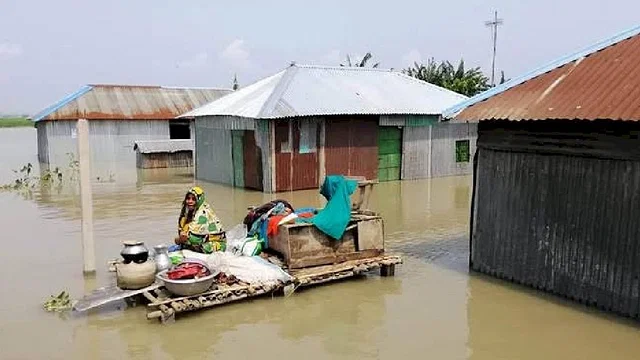
Asian countries, notably Bangladesh, India, China, and Pakistan, are on the frontline of climate change, facing severe floods and cyclones with devastating consequences. In this context, the latest report from Oxfam, titled ‘Gender Dimensions of Loss and Damage in Asia,’ sheds light on the disproportionately high impact of these disasters on women, particularly in regions like Sirajganj in Bangladesh where over 100,000 people are currently marooned due to worsening flood conditions.
The Plight of Women in Disaster Zones
The Oxfam report, presented at the United Nations Climate Conference (COP-28) in Dubai earlier this month, draws attention to the struggles of women in disaster-hit areas. In Bangladesh, an alarming 87% of women in these regions battle food insecurity, ensnared in a relentless cycle of recurring disasters. This situation is exacerbated during events like cyclones and floods, where women often sacrifice their own nutrition for the sake of family members, leading to increased physical weakness and health issues.
Recommendations and Responses
The report urges for prioritising women in the allocation of the ‘climate damage fund’ established at the COP-28. State Minister for Disaster Management, Enamur Rahman, echoes this sentiment, recognising the need for international support as Bangladesh grapples with escalating disaster frequencies.
Migration and Employment Challenges
A notable trend observed during disasters is the migration of male workers in search of employment, often leaving women behind to care for family members. This gendered dynamic of disaster response highlights the unique challenges faced by women, who are less able to seek employment opportunities due to their caregiving responsibilities.
Long-Term Impacts and the Need for Scientific Research
The Oxfam report not only addresses immediate disaster impacts but also the long-term effects of climate change, such as seasonal shifts and temperature variations. M Asaduzzaman, former Research Director at BIDS and a climate expert, emphasises the importance of scientific research to establish a clear link between these long-term damages and climate change, a crucial step in securing funds from the Loss and Damage Fund.
The findings of the Oxfam report are a stark reminder of the gendered nature of climate change impacts. As Bangladesh and other Asian countries continue to face the brunt of climate-related disasters, the need for targeted support and research becomes increasingly critical, especially in safeguarding the most vulnerable populations, particularly women, who bear a disproportionate burden of these calamitous events.