
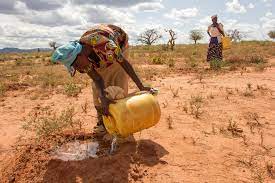
The United Nations (UN) is stressing that women bear a disproportionate burden from the climate crisis and is advocating for heightened policy focus on their specific challenges. A concerning report by the UN Population Fund (UNFPA) and Queen Mary University of London reveals that merely one-third of countries integrate sexual and reproductive health into their national strategies to combat the climate crisis.
Out of the 119 countries that have revealed climate plans, only 38 encompass elements like access to contraception, maternal and newborn health services. Shockingly, a mere 15 countries address violence against women in their plans. This significant oversight regarding sexual and reproductive health within climate plans necessitates urgent attention and rectification.
The escalating temperatures linked to the climate crisis have detrimental effects on maternal health, leading to complications during pregnancy such as gestational diabetes. Extreme heat is also linked to premature deliveries and a rise in stillbirths. The report emphasizes that the climate crisis worsens existing inequalities, causing harm to health facilities and disrupting access to maternal health services, particularly affecting regions like east and southern Africa impacted by tropical cyclones.
Furthermore, climate-induced disasters such as hurricanes and droughts amplify the risks of gender-based violence and child marriage. Families, strained by these crises, struggle to support their daughters, rendering them more susceptible to early marriages. The report urges more countries to acknowledge and address these gender-specific impacts of the climate crisis.
Remarkably, only nine countries, including El Salvador, Sierra Leone, and Guinea, have taken measures to combat gender-based violence within their climate plans. Shockingly, only Dominica has recognized the significance of contraception, despite evidence of disruptions to family-planning services during climate-related disasters. Vietnam stands as the sole country to acknowledge that child marriage becomes more prevalent during crises, as families seek to alleviate their economic burden.
The UNFPA and other stakeholders underline the pressing need to ensure climate policies acknowledge the disproportionate impact on women and integrate these considerations into policy frameworks. Climate change is impeding progress towards gender equality, underscoring the critical necessity for more comprehensive and gender-sensitive climate policies.